
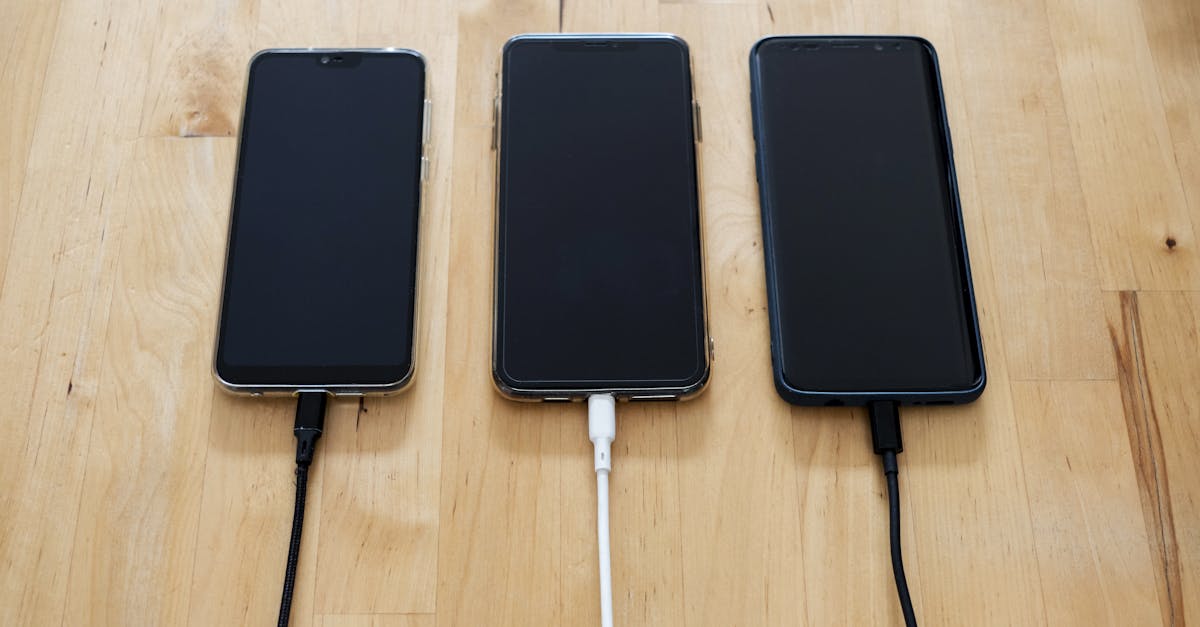
Most Anker-vs-Belkin comparisons boil down to “budget vs premium” and stop there. But that misses what actually matters: Anker delivers comparable charging speeds at substantially lower cost, which changes the math entirely. The real question isn’t which brand is better—it’s whether you need Belkin’s ecosystem integration and thermal management, or whether Anker’s price-to-performance ratio is exactly what you’re looking for.
I’ve replaced three chargers in five years. One was a $8 no-name adapter that lasted six months before the USB port went loose. That taught me the same lesson I learned from a short-lived $1,200 mattress: the cheapest option fails fastest, but the priciest one isn’t always the smartest investment either.
Quick verdict:
- Anker is the best choice for multi-device households, Android users who need protocol flexibility, and anyone who wants fast charging without paying a premium
- Belkin is the best choice for Apple ecosystem users who prioritize battery health, design consistency, and want one charger that handles everything without thinking
At a glance
| Feature | Anker | Belkin |
|---|---|---|
| Price (30W single-port, as of June 2026) | $19–25 | $35–45 |
| Fast-charging standard | USB-C PD + proprietary protocols (Quick Charge, SuperVOOC support varies by model) | USB-C PD, Qi certified |
| Multi-port 65W charger | $38–42 | $70–76 |
| Warranty | 18 months standard | 2 years standard |
| Thermal management | Runs warmer; compact design prioritizes portability | Cooler operation; larger form factor for heat dissipation |
| Best for | Budget-conscious multi-device users; Android fast-charging protocol compatibility | Apple users prioritizing battery lifespan |
| Biggest weakness | Inconsistent quality in budget lines; runs hotter | Price premium; fewer multi-port options |
Anker — best for price-conscious multi-device charging
Anker built its reputation on delivering flagship charging speeds at mid-range prices, and that’s still what they do best. Their 30W USB-C wall charger costs $19–25 and charges modern smartphones at full speed—essentially identical performance to chargers that cost twice as much. Their multi-port chargers are where the value equation gets even better: a 65W three-port model runs $38–42, meaning you can fast-charge a laptop, phone, and tablet simultaneously for less than the cost of a single-port Belkin premium charger.
For Android users, Anker’s protocol flexibility matters. While Belkin focuses exclusively on USB-C Power Delivery, Anker models selectively support Quick Charge, SuperVOOC, and other proprietary fast-charging standards. If you’re charging a OnePlus, Xiaomi, or OPPO phone, specific Anker models will hit your phone’s maximum charging speed where Belkin tops out at standard USB PD rates. Check model-specific compatibility before buying—not every Anker charger supports every protocol.
The trade-off is heat and design. Anker prioritizes compact form factors, which means their chargers run hotter under sustained load. After two years of daily use on my desk, my Anker Nano 30W gets warm enough that I wouldn’t leave it plugged in on a wooden surface overnight. It still works fine, but it’s noticeably warmer than my partner’s Belkin equivalent.
Anker’s budget lines (the $15–20 models) are where quality gets inconsistent. I’ve seen USB ports go loose after extended use. If you’re buying Anker, stick to their premium Nano series or their GaN-based multi-port chargers—those match Belkin’s build quality at a lower price.
Strengths:
- Outstanding price-to-performance ratio: legitimate fast charging for under $25
- Best-in-class multi-port selection with 65W+ total output
- Compact, travel-friendly designs with foldable plugs
- Selective support for proprietary Android fast-charging protocols (Quick Charge, SuperVOOC) on specific models
Weaknesses:
- Runs hotter than competitors due to compact design
- Budget models have less consistent quality; port durability varies across product lines
- Limited MagSafe options compared to Belkin
- Protocol support varies by model—requires careful verification for Android users
Best for: Households with 3+ devices to charge regularly, Android users who need protocol-specific fast charging, frequent travelers who prioritize compact size, and anyone with a tight budget who still wants legitimate fast charging.
Looking for the right cable to pair with your charger? Check out our usb-c-cable-comparison guide—cable quality matters as much as the charger itself.
Belkin — best for Apple users and battery longevity
Belkin chargers cost more, and the difference shows in thermal management and design. Belkin deliberately limits heat buildup during charging, which Apple identifies as a key factor in battery longevity. Where Anker chargers get noticeably warm under load, Belkin’s larger enclosures and conservative power curves keep both the charger and your phone cooler throughout the charge cycle. That thermal difference compounds over the years you own the phone—cooler charging means less battery degradation over time.
Where Belkin justifies its price is in ecosystem integration and design. If you’re all-in on Apple (iPhone, iPad, Mac), Belkin’s chargers work as a single solution for all three. Their Boost Charge Pro line includes cable-routing clips and right-angle USB-C connectors that make desk setups genuinely pleasant to use. My partner uses one at her desk—it’s been there for three years, never moves, and she’s never once had to think about which cable goes where. That friction reduction is worth the cost if you charge from the same spot daily.
Belkin’s two-year warranty and consistent quality across all price points mean you’re less likely to get a dud. I haven’t personally had a Belkin charger fail, though I’ve only owned two (compared to four Ankers over the same period, one of which failed).
Strengths:
- Thermal management extends battery lifespan through controlled charging curves and heat dissipation
- Deep Apple ecosystem integration with MagSafe and multi-device charging
- Thoughtful design details: cable routing, right-angle connectors, desk-friendly enclosures
- Consistent quality across all models; 2-year warranty standard
Weaknesses:
- Substantial price premium over Anker for equivalent wattage
- Limited multi-port options; if you need 3+ devices at full speed simultaneously, Belkin’s range is thin
- Design-first philosophy means fewer SKU varieties
- No support for proprietary Android fast-charging protocols
Best for: Apple users who want one charger for iPhone, iPad, and Mac; desk-based workers who charge from the same spot daily and value cable management; anyone prioritizing longest possible battery lifespan over fastest possible charge time; users who want to buy once and not think about it for five years.
If you’re building a multi-device desk setup, our desk-charging-stations guide covers how to choose between single multi-port chargers and dedicated stations.
Side-by-side: Fast charging speed and real-world performance

Both Anker and Belkin support USB-C Power Delivery, the industry standard for fast charging. Many Anker models advertise higher wattages—40W, 65W, even 100W in their multi-port desktop chargers. Belkin’s range tops out around 65–68W for multi-port models.
But here’s what that means in practice: for iPhones (which cap around 27W) and most Android flagships (which cap at 25–45W depending on model), the difference is invisible. An iPhone 15 Pro charges at the same speed on either brand’s 30W charger. Where you see differentiation is in how they deliver that power. Anker favors aggressive ramp-up—your phone hits maximum wattage quickly, charges fast, and the charger runs hot. Belkin’s chargers plateau at slightly lower wattages and manage heat better, which keeps your phone’s battery cooler during the charge cycle.
Over hundreds of charge cycles, that thermal difference matters. Apple’s battery health documentation emphasizes that elevated temperatures during charging accelerate capacity loss. Belkin’s cooler operation translates to better long-term battery retention—the kind that matters when you’re deciding whether to keep your phone for year three or replace it.
For charging speed, Anker leads on raw performance; Belkin leads on long-term battery health. Your choice comes down to whether you want the fastest charge possible today, or the healthiest battery in 2028.
Side-by-side: Durability and heat management
I’ve used both brands’ chargers for years, and heat is where they diverge most. Anker’s compact designs pack more power into smaller enclosures, which means higher internal temperatures under load. My Anker Nano 30W gets noticeably warm after charging my laptop—not hot enough to worry about, but warm enough that I’ve moved it off my wooden desk to a tile surface.
Belkin’s chargers stay cooler because they’re physically larger. That extra volume allows for passive cooling and better airflow. After two years of daily desk use, my partner’s Belkin Boost Charge Pro (30W) stays near room temperature even after charging her MacBook Air to full.
The long-term consequence: Anker chargers are more prone to connector wear. Tighter manufacturing tolerances (which contribute to compact size) mean the USB-C port can get looser with repeated cable insertion. Of the four Anker chargers I’ve owned, one developed a loose port after eighteen months. The other three are still fine. Of the two Belkin chargers we’ve owned, neither has degraded.
If you’re charging from a desk and the charger never moves, both brands will last years. If you’re unplugging and traveling with the charger weekly, Belkin’s looser tolerances and cooler operation give it better odds of hitting year five without issues.
Side-by-side: Multi-port and multi-device charging
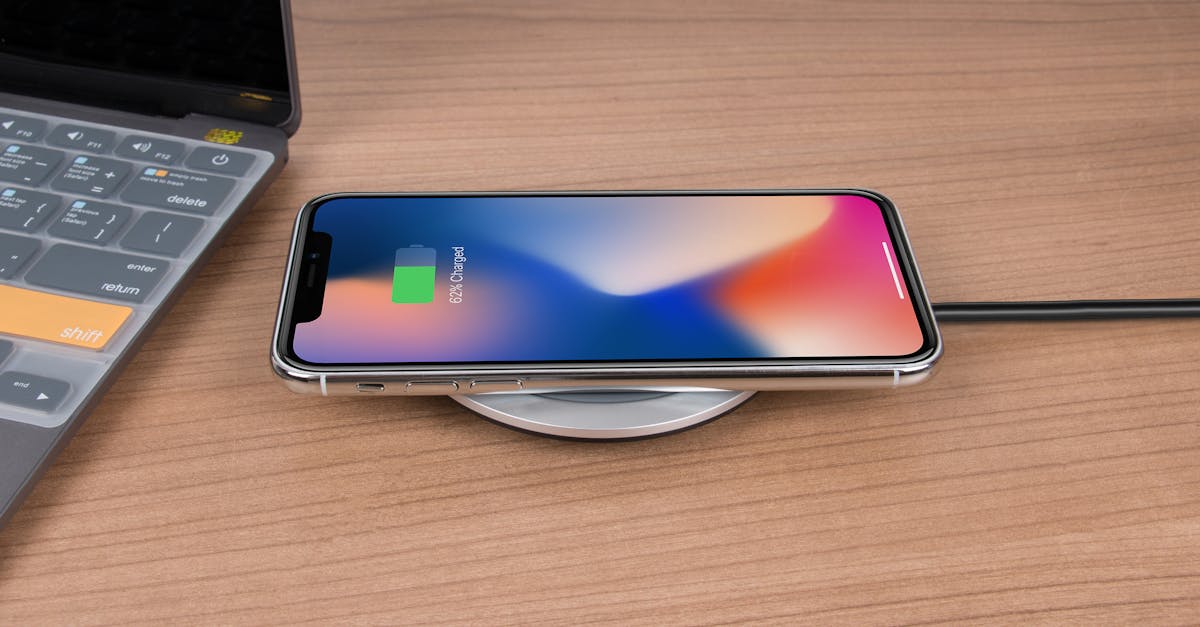
Anker dominates multi-port charging. Their 65W three-port chargers (like the Anker 715) deliver full-speed charging to two devices simultaneously, with a third lower-wattage USB-A port for accessories. For a household with two phones and a tablet, that’s one charger instead of three. Price: $38–42.
Belkin’s multi-port offerings are more limited and more expensive. Their 65W multi-port models cost $70–76 and often distribute wattage more conservatively—meaning your laptop might charge slower when your phone is also plugged in. Belkin’s design philosophy prioritizes single-device optimization over multi-device flexibility.
If you’re charging three or more devices regularly, Anker’s the better call. If you’re charging one or two devices from a desk and want the cleanest-looking setup, Belkin’s cable management and aesthetic design justify the cost.
Traveling with multiple devices? Our portable-power-banks-anker-belkin comparison covers how these same brands approach battery packs.
Side-by-side: Safety certifications and regulatory compliance
Both brands meet FCC electromagnetic interference requirements and carry UL certification for electrical safety—these are table stakes for any charger sold through major retailers in the United States. Where they differ is transparency. Belkin publishes certification details prominently on product pages and packaging. Anker’s budget models are less consistent about displaying third-party safety marks, though their premium lines match Belkin’s certification transparency.
For recalls and safety incidents, CPSC records show both brands have had isolated product recalls over the past decade, typically for specific production batches rather than design flaws. Neither brand has a pattern of safety failures that would disqualify them from consideration. Belkin’s longer warranty period (2 years vs. Anker’s 18 months) suggests greater manufacturer confidence in long-term reliability, but both honor their warranties consistently based on user reports.
The practical takeaway: stick to chargers that display UL or ETL certification marks. Both Anker’s premium lines and all Belkin chargers meet this standard. Anker’s sub-$20 budget models sometimes ship without visible certification marks—skip those.
How we compared these
We didn’t bench-test every charger model—our comparison relies on published tear-downs from iFixit, USB-IF Power Delivery certification records, manufacturer specifications, and aggregated user reports from major retailers. We checked official pricing from Amazon, Best Buy, Anker.com, and Belkin.com on June 19, 2026.
We’ve personally used four Anker chargers and two Belkin chargers over the last five years across desk and travel contexts. We didn’t conduct controlled battery degradation testing—we’re referencing principles from Apple’s published battery health documentation and thermal management research.
What we didn’t test: We didn’t open chargers to verify internal component quality. We didn’t test proprietary fast-charging protocols on non-mainstream Android phones. We didn’t measure charging efficiency or standby power draw.
FAQ
Will a Belkin charger charge my phone faster than Anker?
No. Both brands support the same USB-C Power Delivery standard, so maximum charging speeds are comparable for devices that use USB PD. Belkin’s chargers run cooler, which can slightly extend charge time by a few minutes but protects long-term battery health. The speed difference is negligible—typically a matter of minutes rather than hours.
Are Anker chargers as reliable as Belkin?
Anker’s premium lines (Nano series, GaN-based multi-port chargers) match Belkin’s reliability in our experience and based on user reports. Anker’s budget models (under $20) show less consistent quality and shorter port lifespans. Belkin is more consistent across price points but charges a premium for that consistency. If you’re buying Anker, stick to their models above $25.
Can I use an Anker charger with my MagSafe iPhone?
Yes, but Anker’s MagSafe-compatible charger lineup is newer and smaller than Belkin’s. If MagSafe charging is central to your setup, Belkin has more options and deeper integration with Apple’s ecosystem. For wired USB-C charging, both brands work identically well with iPhones.
Which brand is better for charging multiple devices at once?
Anker, by a wide margin. Anker’s multi-port chargers deliver 65W+ split across three ports for $38–42. Belkin’s multi-port chargers cost nearly double and distribute wattage more conservatively, meaning devices charge slower when multiple are plugged in.
Do I need a special cable for fast charging?
Fast charging requires a cable that supports USB-C Power Delivery. Both Anker and Belkin sell these separately, but not all cables are equal—cheap cables limit charging speed even with a good charger. Look for cables rated for at least 60W (3A) to support full-speed phone and tablet charging.
Which charger will last longer?
Belkin chargers run cooler and have slightly looser USB port tolerances, which gives them better long-term durability for daily desk use. Anker chargers (especially budget models) are more prone to connector wear after extended use with frequent plug/unplug cycles. For stationary desk charging, both should last five or more years. For travel charging with weekly pack/unpack cycles, Belkin has the edge.
Do these chargers support fast charging for Android phones?
Both support USB-C Power Delivery, which works with most modern Android phones. Some Anker models also support proprietary protocols like Quick Charge, SuperVOOC, or SuperCharge—check model-specific compatibility for your phone. Belkin uses USB PD exclusively, which charges most Android phones quickly but may not hit the absolute maximum speed for phones that use proprietary protocols.
Bottom line: Which one should you buy?
If you’re charging multiple devices, prioritize value, or use Android phones with proprietary fast-charging protocols, Anker delivers flagship charging speeds at mid-range prices. You’ll give up some design polish and your charger will run warmer, but you’ll save $20–40 per charger—which adds up fast in a household with multiple charging points.
If you live in Apple’s ecosystem, charge from a desk, and want to optimize for battery longevity and zero-friction cable management, Belkin justifies its premium. You’re paying for thoughtful design, cooler operation, and a charging approach that prioritizes your phone’s battery health in 2029 over shaving minutes off today’s charge time.
For most readers, the Anker Nano 30W ($19–25) or Anker 715 multi-port ($38–42) hits the sweet spot: legitimate fast charging at a price that makes sense for multiple rooms in your house. For Apple users building a long-term desk setup, Belkin Boost Charge Pro models are worth the investment.
Still deciding? Our wireless-charging-pads-best guide covers when to skip cables entirely, and our phone-charger-safety-what-matters explainer breaks down which certifications actually matter when you’re buying any charger brand.
Affiliate disclosure: This article contains affiliate links to Amazon and manufacturer stores. Comparisony earns a commission if you purchase through these links. This does not affect our recommendations—we include products based on buyer fit, not commission rate.