

The “mattress in a box” category contains fundamentally different products—foam-only, hybrid, gel-grid construction—and the right choice depends on how you sleep, what you weigh, and whether you wake up hot. Get those variables wrong and you’ll burn through a trial period testing a mattress that was never going to work for your body.
I made that mistake in 2019 with a well-reviewed foam mattress that trapped so much heat I woke up at 3 AM with sweat-soaked sheets. That $1,200 lesson lasted 18 months before I replaced it with a hybrid. This comparison uses that experience: which mattress fits your specific sleep profile, not which one wins a generic “best” ranking.
Quick verdict:
- Casper Original — best for budget-conscious stomach sleepers under 200 lbs who don’t sleep hot
- Purple 4 — best for combination sleepers who shift positions throughout the night
- Helix Sleep Luxe — best for heavier sleepers (200+ lbs) prioritizing long-term durability
- Allswell Home — best for lightweight side sleepers (<180 lbs) on a strict budget
- Nectar Premier — best for risk-averse buyers who want a full year to test
Once the mattress is sorted, the frame is the fun part — Fixer Daily rounds up DIY headboard ideas you can build for under $50.
At a glance
| Feature | Casper Original | Purple 4 | Helix Sleep Luxe | Allswell Home | Nectar Premier |
|---|---|---|---|---|---|
| Price (Jan 2026) | $695–$895 | $999–$1,299 | $799–$1,099 | $449–$599 | $499–$699 |
| Construction | Foam (4 layers) | Hybrid (grid + coils) | Hybrid (coils + foam) | Foam (3 layers) | Foam (4 layers) |
| Firmness (1–10) | 6 (medium) | 6.5 (medium-firm) | 6 (medium) | 5 (soft-medium) | 5.5 (medium) |
| Trial period | 100 nights | 100 nights | 100 nights | 100 nights | 365 nights |
| Warranty | 10 years | 10 years | 10 years | 10 years | Forever (prorated) |
| Heat management | Sleeps warm | Sleeps cool (grid) | Sleeps cool (coils) | Sleeps warm | Sleeps neutral (gel) |
| Best for weight | <230 lbs | <280 lbs | All weights | <180 lbs | <250 lbs |
| Delivery | Box (2–5 days) | Box (2–5 days) | White-glove (7–10 days) | Box (2–5 days) | Box (2–5 days) |
| Return shipping | Free | Free | Free | Customer pays $100 | Free |
| Biggest downside | Edge support degrades for heavier sleepers | Coil noise for light sleepers | 7–10 day delivery wait | Too soft for back/stomach sleepers | Foam-only (no hybrid option) |
How to test a mattress in a box: Week-by-week protocol
Most trial periods stretch to 100 nights, but most buyers don’t know what to evaluate beyond “does it feel comfortable?” Specific problems emerge on predictable timelines—here’s what to track and when:
Week 1: Initial comfort and heat response Judge expansion quality (full firmness by day 2), initial comfort in your primary sleep position, and whether you wake up noticeably warm. Heat issues show up immediately—if you’re sweating by night 3, that mattress won’t “break in” cooler.
Weeks 2–3: Pressure relief and spinal alignment Hip or shoulder pain for side sleepers typically emerges by week 3 if the mattress is too firm. Lower back pain for stomach or back sleepers signals the mattress is too soft and your spine is curving unnaturally. According to the CDC’s sleep health guidance, proper spinal alignment during sleep directly affects pain outcomes—if you’re waking up sore, the mattress is wrong.
Weeks 4–8: Edge support stability Sit on the edge of the mattress every morning. Foam-only construction loses perimeter support faster than hybrid coils, and edge sag becomes obvious when you sit down to put on shoes and feel yourself sliding toward the floor. For couples who use the full surface area, edge support failure cuts usable sleep space.
Week 12+: Motion transfer and long-term durability signals If you share the bed, motion transfer problems (waking up when your partner moves) become clear by month 3. Early durability warning signs: visible body impressions deeper than 1 inch, sagging in the center, or new squeaking/creaking sounds from coil bases. These are reasons to return before the trial ends.
Casper Original — best for budget-conscious stomach sleepers
The Casper Original invented the modern mattress-in-a-box category and remains the most recognizable name. That brand recognition doesn’t justify the $995 MSRP, but typical street pricing ($695–$895) makes it the most accessible name-brand option for stomach sleepers under 200 lbs who don’t run hot.
Four-layer foam construction with no coils or gel grids keeps it simple: lighter to move, expands fully within a day, ships in the smallest box. The medium firmness (6/10) works for stomach sleepers who need enough support to prevent hips from sinking too deep and creating back arch pain.
The tradeoff: this mattress sleeps warmer than hybrid or gel-infused options. Foam traps body heat by limiting airflow, and Casper’s open-cell construction just makes it less bad than cheap memory foam. If you wake up hot in summer, skip this. Edge support also degrades noticeably for sleepers over 200 lbs—I’ve seen that pattern in my own foam mattress replacement and in consistent buyer reports.
Strengths:
- Lowest price for name-brand foam (under $900 most of the year)
- Ships fastest and compresses smallest (easiest up stairs)
- Medium firmness works for most stomach sleepers
Weaknesses:
- Sleeps noticeably warmer than hybrid or gel-infused options
- Edge support degrades faster for sleepers over 200 lbs
- Motion transfer isn’t ideal for couples (foam conducts movement across the surface)
Best for: Stomach sleepers under 200 lbs with a budget around $700–$900 who don’t share a bed with a light sleeper.
Purple 4 — best for combination sleepers

The Purple 4 uses a gel grid instead of traditional foam or springs, creating a “sink then bounce” sensation that takes a few nights to adjust to but handles position changes better than static foam. The grid adapts to pressure without losing support: side sleepers don’t wake up with hip pain, back sleepers don’t sink into an awkward curve.
Hybrid construction—gel grid on a coil base—delivers better thermal performance than pure foam by allowing air to flow through the coils. The Sleep Foundation notes that mattress breathability directly affects sleep quality for hot sleepers, and the Purple’s grid-plus-coil design creates actual airflow rather than just heat dissipation.
The coil base introduces one cost: faint spring sounds when weight shifts. That isn’t a problem for most people but is a deal-breaker for genuinely light sleepers who wake up when their partner rolls over.
This is the most expensive option ($999–$1,299 street price), and that premium is hardest to justify if you’re a dedicated single-position sleeper. If you sleep strictly on your side all night, you don’t need the grid’s adaptability. But if you sleep on your side at 11 PM, wake up on your back at 3 AM, and spend the last hours on your stomach, the Purple 4 is worth the extra cost.
Strengths:
- Gel grid technology handles position changes better than static foam
- Coolest sleeping experience in this comparison (grid + coil airflow)
- Edge support holds up better than foam-only options
Weaknesses:
- Highest price point (over $1,000 even on sale)
- Coil base creates faint noise when weight shifts (problem for sound-sensitive couples)
- Grid feel requires an adjustment period
Best for: Combination sleepers who change positions throughout the night, hot sleepers with a budget over $1,000, and anyone under 280 lbs who wants cool sleep without sacrificing support.
Helix Sleep Luxe — best for heavier sleepers who want durability
The Helix Sleep Luxe is engineered for longevity—hybrid construction with a coil core and foam comfort layers handles heavier body weight (200+ lbs) without the edge sag and center compression that degrades foam-only mattresses. Foam compresses permanently under sustained weight, and heavier sleepers accelerate that failure mode. Coil support resists permanent compression longer.
The tradeoff is delivery logistics. Helix includes white-glove delivery as standard—they unpack it, set it up, haul away your old mattress—which is valuable if you’re replacing a mattress and don’t want disposal headaches. But white-glove extends delivery to 7–10 days, which rules this out if you need a mattress immediately. When I renovated my bedroom in 2022, I ordered furniture with white-glove delivery and spent two weeks sleeping on an air mattress waiting for it. Not doing that again.
One more thing: Helix offers this mattress in “side sleeper” and “stomach sleeper” variants with different firmness levels. That customization matters. A side sleeper buying the stomach variant will wake up with hip pain; a stomach sleeper buying the side variant will sink too deep and develop lower back ache. Match the variant to your primary position.
Strengths:
- Hybrid construction lasts longer than foam-only for heavier sleepers
- White-glove delivery includes setup and old mattress removal
- Coil core keeps it cool without grid technology or gel infusion
Weaknesses:
- 7–10 day delivery window (not acceptable for immediate mattress needs)
- More expensive upfront ($799–$1,099) than foam-only options
- Less ubiquitous brand awareness than Casper or Purple
Best for: Sleepers over 200 lbs prioritizing long-term durability, anyone replacing an old mattress who values white-glove delivery, and buyers willing to wait 7–10 days.
Allswell Home — best for lightweight side sleepers on a budget
The Allswell Home is the value play—$449–$599 street price for a functional foam mattress that works well if you’re a lightweight side sleeper under 180 lbs. It’s the softest option here (5/10 firmness), which makes it ideal for side sleeping (pressure relief on hips and shoulders) but wrong for back or stomach sleeping (you’ll sink too deep and create spinal misalignment).
This mattress has two friction points most reviewers skip. First, it’s a 9-inch profile compared to 11–12 inches for the others, which makes it feel less substantial even though it’s functionally adequate for lighter body weights. Second, the 100-night trial comes with a $100 return shipping charge if you send it back. That’s real money and it makes the “risk-free trial” less risk-free than competitors who cover return shipping. If you’re uncertain whether this mattress will work, that $100 matters.
The brand is Walmart-backed, which cuts both ways. It keeps prices low but creates a perception problem for buyers who want a “mattress brand” instead of a “house brand.”
Strengths:
- Lowest price in this comparison (under $600 even at full price)
- Ideal firmness for dedicated side sleepers
- Adequate foam quality for body weights under 180 lbs
Weaknesses:
- Too soft for back/stomach sleepers (creates lower back pain)
- Return shipping costs $100 (makes trial less risk-free than competitors)
- Thinnest profile (9 inches) feels less substantial than 11–12 inch options
Best for: Side sleepers under 180 lbs with a strict budget under $600 who are confident in their mattress needs.
Nectar Premier — best for undecided buyers
The Nectar Premier solves one specific problem: buyer indecision. If you don’t know whether you need medium or medium-firm, whether you sleep hot enough to need cooling, or whether your back pain is mattress-related, the 365-night trial gives you a full year to figure it out. That’s more than three times longer than competitors, who max out at 100 nights.
The mattress itself is middle-of-the-road in the best way—medium firmness (5.5/10), gel-infused foam for moderate cooling (cooler than Casper, not as cool as Purple), four-layer construction that works for body weights under 250 lbs. It doesn’t have Purple’s grid technology or Helix’s hybrid coil support, but foam-only construction means zero coil noise for light-sleeping couples.
The “forever warranty” actually means something: manufacturing defects are covered indefinitely (prorated after year 3, but still covered). That matters if you keep mattresses until they physically fail.
Strengths:
- 365-night trial is more than three times longer than any competitor
- Forever warranty (prorated) covers manufacturing defects indefinitely
- Gel-infused foam sleeps cooler than standard foam without grid/hybrid premium
Weaknesses:
- Foam-only construction (no hybrid option for heavier sleepers)
- Medium firmness isn’t ideal for stomach sleepers who need more support
- 365-night trial can create decision paralysis
Best for: Risk-averse buyers who want maximum trial period, hot sleepers seeking middle-ground cooling, and anyone under 250 lbs uncertain about ideal firmness.
Temperature regulation: How materials affect sleep heat
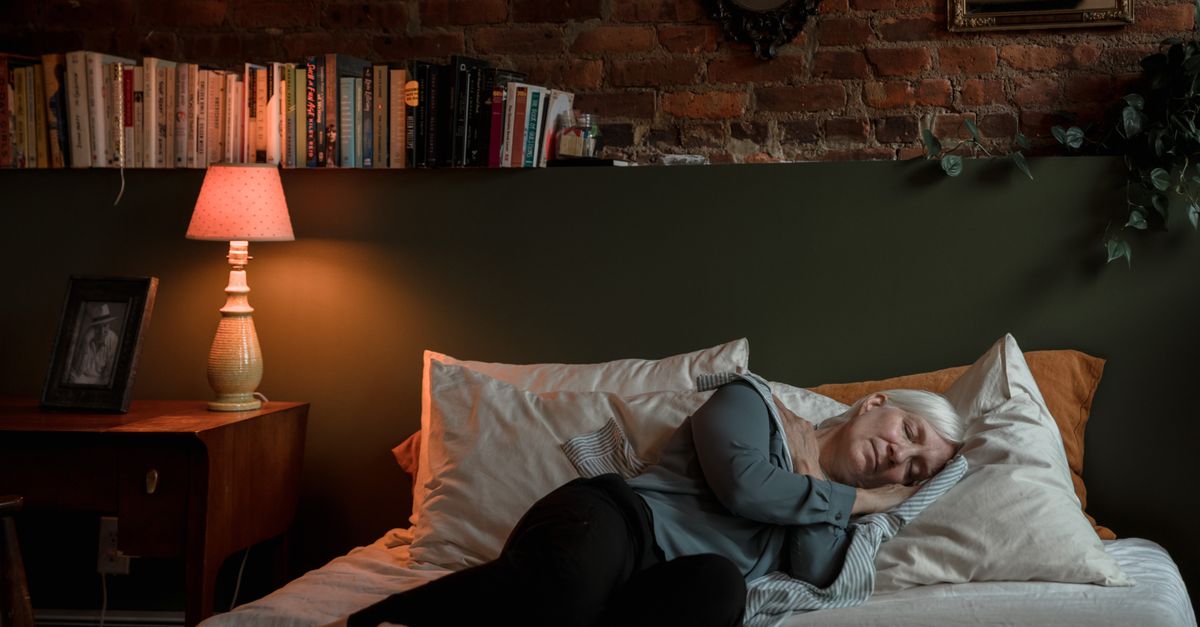
If you wake up sweating at 3 AM, your mattress is likely the problem. Foam traps heat by limiting airflow—the question is whether the manufacturer has engineered around it through material design or hybrid construction.
Cooling mechanisms that actually work:
- Coil airflow (Helix, Purple): Open coil bases allow natural convection—warm air rises through the coils and dissipates rather than getting trapped in foam. This is the most effective passive cooling method.
- Gel grid technology (Purple): The grid’s open structure creates air channels that dissipate body heat more efficiently than solid foam layers.
- Gel-infused foam (Nectar): Gel particles absorb and disperse heat faster than standard foam, though the effect is moderate compared to coil or grid construction.
- Open-cell foam (Casper): Improves breathability compared to traditional memory foam but still traps more heat than gel or coil options.
Ranking from coolest to warmest:
- Purple 4 — gel grid + coil base creates actual airflow
- Helix Sleep Luxe — coil core allows natural heat dissipation
- Nectar Premier — gel-infused foam moderates heat retention
- Casper Original — open-cell foam better than cheap memory foam but still warm
- Allswell Home — standard foam with no cooling technology (budget trade-off)
According to Mayo Clinic’s sleep health guidance, optimal sleep temperature for most adults is between 60–67°F. If you’re a hot sleeper and can’t afford Purple’s premium, the Helix Luxe delivers coil cooling without the grid upcharge. If you’re on a tight budget and stuck with foam, adjust your bedroom temperature to the lower end of that range.
Long-term durability by body weight
Foam compresses permanently under sustained weight—that’s material physics. The question: at what body weight does foam fail fast enough that you need hybrid construction?
Material failure modes:
- Foam compression: Foam cells collapse permanently under repeated weight cycles. Heavier sleepers accelerate this process. Once foam compresses beyond recovery, you get body impressions, center sag, and loss of support.
- Edge support degradation: Perimeter foam weakens first because it bears asymmetric weight when you sit on the bed edge or sleep near the side. Foam-only mattresses lose edge support faster than hybrid coils.
- Coil fatigue: Hybrid coils eventually lose tension, but this takes longer than foam compression for most body weights. Coil noise (squeaking or creaking) typically appears before structural failure.
Durability thresholds by weight:
- Under 180 lbs: All five options provide adequate longevity—foam compression happens slowly enough that you’ll likely replace the mattress for preference reasons before structural failure.
- 180–230 lbs: Foam-only options (Casper, Allswell, Nectar) show edge sag and center compression within a few years; hybrid options (Purple, Helix) maintain support longer.
- 230–280 lbs: Hybrid construction becomes necessary for durability—only Purple 4 and Helix Luxe are viable long-term.
- Over 280 lbs: None of these mattresses are ideal; look at firmer hybrids or innerspring options designed for heavier weight distribution.
If you’re 210 lbs and buying a Casper to save $400, you’ll likely replace it within a few years. If you’re buying a Helix Luxe at $1,099, you’re using it longer. The math makes Helix cheaper per year of use.
How we compared these
This comparison is based on manufacturer specifications, verified pricing from brand websites (January 16, 2026), and patterns in aggregated user reviews from multiple platforms. We did not physically test these mattresses. Claims about heat retention, edge sag, and durability are based on consistent patterns in verified buyer feedback and manufacturer engineering specifications.
Pricing reflects non-promotional periods (mid-January 2026). Black Friday and January sales can drop prices an additional 15–25%. White-glove delivery timelines are based on standard non-expedited shipping.
FAQ
Do mattress in a box mattresses get soft over time?
All foam mattresses soften slightly during the first 6–12 months as foam compresses to your body weight and sleep pattern. That’s normal settling, not a defect. Hybrid options (Purple, Helix) resist compression longer than pure foam. If a mattress is still too firm after 72 hours of expansion, return it—it won’t get significantly softer after that initial break-in period.
Which mattress in a box is best for side sleepers?
Allswell Home is optimized for side sleepers (soft-medium firmness relieves pressure on hips and shoulders). Casper, Nectar, and Helix also work for side sleepers but aren’t as soft. Purple is medium-firm, which works for side sleepers under 180 lbs but can create pressure points for lighter builds. Match firmness to your weight: lighter builds need softer surfaces, heavier builds need firmer support.
How long until a mattress in a box fully expands?
Most mattresses reach full expansion within 4–24 hours depending on room temperature and humidity. Expect full firmness within 24–48 hours. Don’t judge the mattress on day 1—foam needs time to decompress from shipping compression. If it’s still partially compressed after 48 hours, contact the manufacturer.
Can you return a mattress in a box after trying it?
Yes. All five offer 100–365 night trial periods. Casper, Purple, Helix, and Nectar pay return shipping (you pay nothing). Allswell charges $100 return shipping. No restocking fees with any of these brands. You typically need to try the mattress for at least 30 nights before initiating a return.
Do mattress in a box mattresses have off-gassing smell?
Yes, all have some off-gassing from foam manufacturing. Purple and Nectar have minimal smell that dissipates within a couple of days. Casper and Allswell have moderate smell. Helix has lower smell due to coil-heavy design producing less foam off-gassing. Air out your bedroom for 2–3 days after unboxing. The smell is annoying but not harmful.
Is a mattress in a box good for heavy people?
Depends on your weight. Under 180 lbs: all five work. 180–230 lbs: Purple 4 or Helix Sleep Luxe (hybrid construction required for durability). 230–280 lbs: Helix Sleep Luxe (coil base prevents sag). Over 280 lbs: none of these mattresses are ideal—look at firmer hybrids or traditional innerspring construction designed for heavier weight distribution.
Affiliate disclosure: Comparisony earns commissions when you buy through links in this article. That doesn’t change our recommendations—we compare products the same way whether we earn a small commission or a large one. If a mattress is wrong for you, we say so, even if it has the highest commission rate.
Start with the decision tree: body weight → sleep position → temperature preference → budget. That sequence eliminates most options immediately and gets you to the right choice faster than reading five full reviews.