
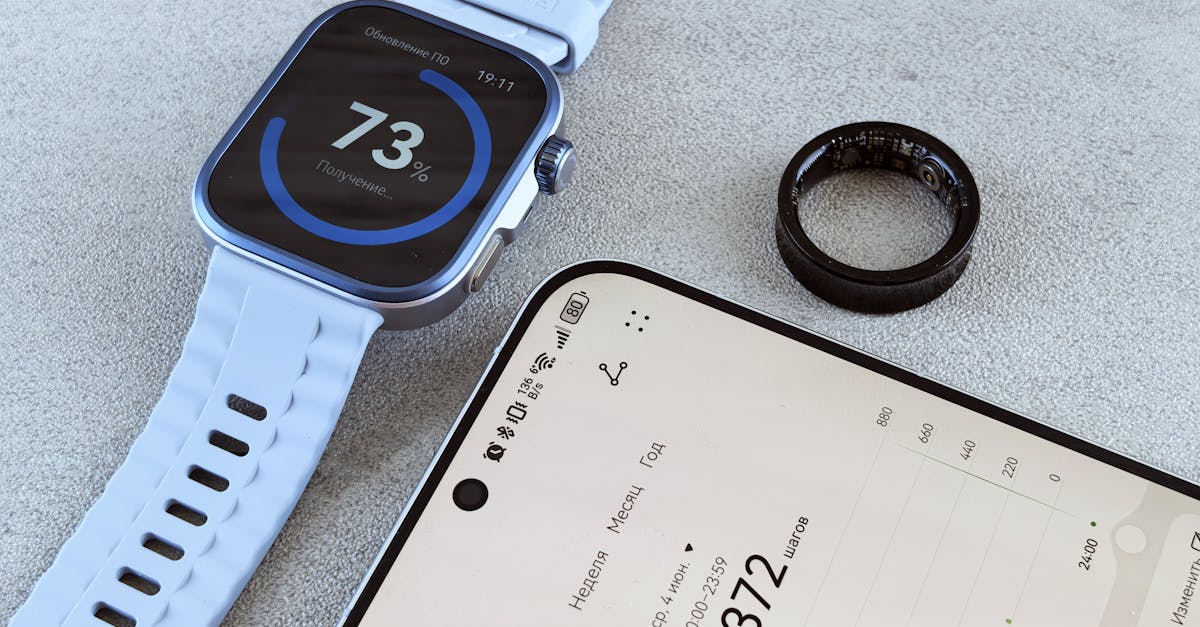
This isn’t a specs competition — it’s a form-factor decision. The Fitbit Charge 7 is a traditional wrist band with a screen you can glance at during meetings. The Oura Ring is an invisible tracker you forget you’re wearing until you open the app at night. Both track fitness and sleep, but they ask you to live with them differently — and the science behind their most hyped metrics varies more than their marketing suggests.
Quick verdict:
- Fitbit Charge 7 is best for runners who want GPS and a glanceable screen during workouts
- Oura Ring Gen 4 is best for sleep-focused buyers who want invisible tracking and deep recovery metrics
- Fitbit Charge 7 is best for budget-conscious buyers who need multi-app syncing
At a glance
| Feature | Fitbit Charge 7 | Oura Ring Gen 4 |
|---|---|---|
| Price (as of July 2026) | $89–$119 | $279–$299 |
| Form factor | Wrist band with 1.27” AMOLED screen | Titanium ring, no display |
| Battery life | 7 days | 7-10 days |
| GPS | Yes, built-in | No (phone required) |
| Sleep tracking depth | Duration, stages, SpO2 | Duration, stages, HRV, body temp trends, Readiness Score |
| Notifications | Screen shows calls, texts, calendar | Vibration only |
| Subscription cost | $9.99/mo optional | $5.99/mo or $99/yr required |
| Best for | Active athletes who want a screen | Sleep-obsessed minimalists |
| Biggest weakness | Shallow recovery metrics | No GPS, requires phone for all data |
Fitbit Charge 7 — best for glance-checkers and GPS runners
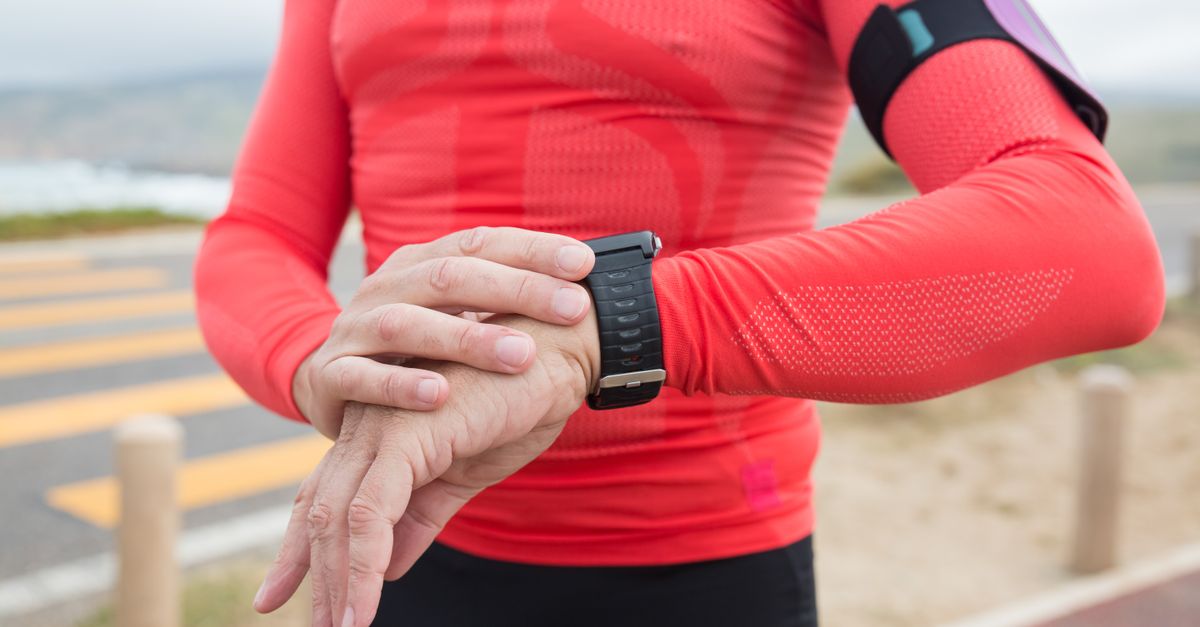
The Charge 7 is what most people picture when they think “fitness tracker.” It’s a band you wear on your wrist with a bright AMOLED screen that shows your step count, heart rate, and time without needing to pull out your phone. During a run, you glance down and see your pace. During a meeting, you see if that buzz was worth checking. It’s active tracking for people who want their data visible.
The built-in GPS is table-stakes if you run or bike without your phone. The Charge 7 tracks routes, distance, and pace independently — something the Oura Ring simply cannot do. Fitbit’s exercise mode library covers dozens of activities, from swimming to yoga to interval training. If you work out regularly and want real-time feedback, this form factor makes sense.
Street pricing hovers around $89–$119 depending on sales. That’s half the cost of the Oura Ring before you factor in Oura’s mandatory subscription. Fitbit Premium is optional; the free tier gives you all your core tracking data.
Strengths:
- Built-in GPS for phone-free running and cycling
- Always-on screen means glanceable stats without unlocking anything
- Syncs to Google Fit, Apple Health, Strava, and most third-party apps
- 50m water resistance handles swimming and showers
- Budget-friendly at $89–$119
Weaknesses:
- Band materials can cause contact irritation with continuous wear, particularly in humid conditions
- Sleep insights are basic compared to Oura’s HRV and body temperature trends
- Screen visibility means people notice you’re wearing it (matters in formal settings)
- Battery drains faster with daily GPS use
Best for: Runners and cyclists who need GPS tracking, anyone who prefers checking stats on a screen rather than opening an app, and budget-conscious buyers who want solid tracking without a required subscription.
Oura Ring Gen 4 — best for invisible sleep tracking
The Oura Ring looks like jewelry. You wear it on your finger, forget it’s there, and check the app once a day to see how you slept and whether your body is ready to push hard or recover. There’s no screen, no notifications flashing during meetings, no visible tech. It’s passive tracking for people who want insights without the friction of constant glances.
Where Oura wins is sleep data depth. The ring tracks heart rate variability, resting heart rate dips, body temperature trends, and sleep stages, then combines all of that into a proprietary Readiness Score. That score tells you if today is a day to train hard or take it easy. Heart rate variability is a real physiological metric with backing in sports science research, but Oura’s specific algorithm for interpreting it and generating a Readiness Score is proprietary — published research on the ring focuses on correlation with clinical measures, not prediction of performance outcomes. If you’re an endurance athlete planning training cycles, it’s genuinely useful data. For casual trackers, it might feel like overkill.
The ring requires accurate sizing — wrong fit means poor heart rate readings and garbage data. Oura sends a sizing kit before you buy, but returns due to sizing issues are common. Once you have the right fit, though, it’s comfortable enough that you forget you’re wearing it. No band irritation, no visible tech in professional settings, just a ring.
Strengths:
- Invisible form factor — looks like jewelry, not a fitness tracker
- Deep sleep insights including HRV, body temperature, and Readiness Score
- 7-10 day battery life depending on ring size
- Zero screen distractions — you check data when you choose, not constantly
- No skin irritation from band materials
Weaknesses:
- No GPS — you need your phone for route tracking
- Subscription is mandatory ($5.99/mo or $99/yr), not optional like Fitbit
- Wrong ring size means bad data and returns
- Doesn’t sync to third-party apps like Apple Health or Strava
- No on-device notifications — all alerts require your phone
Best for: Sleep-focused buyers who want deep recovery metrics, minimalists who prefer invisible wearables, office workers in formal settings where visible tech isn’t ideal, and endurance athletes using periodized training who benefit from Readiness Score insights.
Side-by-side: screen vs no screen
The Fitbit Charge 7’s always-on AMOLED screen is the defining difference here. You raise your wrist and see your heart rate, step count, time, and whatever stat you last checked. During a workout, you glance at pace without breaking stride. In a meeting, you see if that notification was urgent. Some people love this; others find it makes them check stats obsessively.
The Oura Ring has no screen. Checking anything — step count, sleep score, heart rate — requires unlocking your phone and opening the app. This is liberating if you’re prone to stat-checking constantly, but frustrating if you want quick glances. Oura’s design assumes you review data once a day, not in real time. If that matches how you want to interact with fitness tracking, the ring’s passivity is a feature. If you want real-time feedback during workouts, it’s a deal-breaker.
For notifications, the Charge 7 shows calls, texts, and calendar alerts on-screen. The Oura Ring vibrates but shows nothing — you need your phone to know what happened. If you rely on wrist notifications to screen calls during workouts, Fitbit wins by default.
Side-by-side: sleep tracking depth and accuracy

Both devices track sleep duration and stages (light, deep, REM). The Fitbit Charge 7 adds SpO2 monitoring and gives you a basic sleep score. That’s enough for most people — you see how long you slept, whether you got enough deep sleep, and whether your blood oxygen levels dipped overnight.
The Oura Ring goes several layers deeper. It tracks heart rate variability (HRV), resting heart rate trends, body temperature deviations, and respiratory rate, then synthesizes all of that into a Readiness Score. That score is designed to tell you if your body is recovered enough to train hard today. If your HRV is low and your body temperature is elevated, Oura flags that as a recovery day. If everything trends green, you’re cleared to push.
Here’s what matters: wearable sleep tracking has been studied against clinical polysomnography — the gold standard involving electrodes, lab conditions, and overnight monitoring — but consumer wearables are not medical devices and the FDA does not regulate them as such. Independent validation studies show consumer trackers perform better at measuring total sleep time than at accurately staging sleep cycles, and performance varies widely by device. The Sleep Foundation notes that wearables can be useful for tracking trends over time but shouldn’t replace medical-grade sleep studies when diagnosing disorders. Both Fitbit and Oura publish validation studies on their own sites, but these are manufacturer-funded and should be read with that context in mind.
The practical takeaway: if you want to know whether you’re getting enough sleep most nights and whether your habits are improving over time, both devices work. If you need clinical-grade accuracy or suspect a diagnosable sleep disorder, neither one replaces a real sleep study.
Users report relying on Readiness Score to plan interval sessions and long runs. Some casual buyers find it overwhelming — too many metrics, not enough “did I sleep well or not?” If you’re optimizing training cycles or biohacking sleep, Oura’s depth justifies the premium. If you just want to know if you got seven hours, Fitbit’s simpler approach is plenty.
The subscription model matters here. Oura requires $5.99/month or $99/year to access any of this data — without it, you get almost nothing. Fitbit Premium costs $9.99/month but is optional; you get all core tracking free. Over two years, Oura costs $300 for the ring plus $144 for the subscription ($444 total). Fitbit costs $89–$119 with no required subscription. That’s a meaningful difference if you’re buying for basic sleep tracking.
Durability and real-world wear issues
Fitbit Charge 7 bands show wear after a year or more of daily use — the silicone stretches, the clasp weakens, and some users report skin irritation from prolonged contact with the band material, particularly in humid climates or during exercise. Consumer Reports testing of fitness trackers has flagged band durability as a common wear point across wrist-worn devices. Replacement bands are available, but they’re an added cost.
Oura Rings hold up better physically — titanium doesn’t degrade like silicone — but firmware updates occasionally break syncing, and customer support response times vary based on user reports. The bigger issue with rings is fit: if your finger size fluctuates with temperature, hydration, or activity, the sensor contact changes and data quality suffers.
How we compared these
We reviewed manufacturer specs, current street pricing from Amazon and Best Buy as of July 2026, and cross-referenced user reports on sleep accuracy and form-factor comfort. We did not conduct lab testing against polysomnography or clinical-grade devices. Pricing verified July 10, 2026.
FAQ
Can the Oura Ring track workouts without a phone?
No. The Oura Ring has no GPS and requires your phone nearby for real-time workout tracking. It can detect activity automatically (steps, calories) but won’t give you route data or distance without a phone. The Fitbit Charge 7 has built-in GPS and works independently for runs and bike rides.
Is the Fitbit Charge 7 waterproof?
Yes, rated to 50 meters. You can swim with it, shower with it, and track swim workouts. The Oura Ring is also water-resistant up to 100 meters, so both handle daily water exposure fine.
Do I need a subscription for either device?
The Oura Ring requires a subscription ($5.99/month or $99/year) to access sleep scores, Readiness Score, and most health insights. Without it, the ring is nearly useless. The Fitbit Charge 7 works fully without a subscription — Fitbit Premium ($9.99/month) adds guided workouts and deeper trend analysis, but all core tracking is free.
Which is better for sleep tracking?
The Oura Ring tracks deeper sleep metrics — HRV, body temperature trends, respiratory rate — and packages them into a Readiness Score that tells you if you’re recovered. The Fitbit Charge 7 tracks sleep stages and SpO2 but doesn’t offer the same depth. If sleep optimization is your primary goal, Oura wins. If you just want basic sleep tracking, Fitbit is enough at half the cost. Neither device replaces a clinical sleep study if you suspect a sleep disorder.
Can the Fitbit Charge 7 sync with Apple Health?
Yes. Fitbit syncs to both Apple Health and Google Fit, plus third-party apps like Strava and MyFitnessPal. The Oura Ring keeps most data in its own app with limited third-party integration — if you rely on Apple Health or other platforms, Fitbit is the better choice.
Affiliate disclosure: We earn a commission if you buy through links on this page. That doesn’t affect our recommendations — we compare products based on specs, pricing, and real-world use cases, not commission rates.
The Fitbit Charge 7 is the right choice if you want a screen, GPS, and the flexibility to sync your data anywhere. The Oura Ring is the right choice if you want invisible tracking and are willing to pay for deep sleep insights. The decision comes down to whether you want to glance at your wrist or forget you’re wearing a tracker at all.
If you’re still deciding between form factors, fitness tracker form factor guide breaks down band vs ring vs watch trade-offs in more detail. For buyers leaning toward rings specifically, best smart rings 2026 covers the full field. And if GPS is your deciding factor, best gps running watches includes budget-friendly options like the Charge 7 alongside higher-end running watches.