

The usual meal kit comparison frames HelloFresh and Blue Apron as interchangeable — same price, same concept, pick whichever has the better promo code. That misses what actually separates them.
HelloFresh is built for speed and household flexibility. Blue Apron is built for couples who want to learn to cook. They cost roughly the same after the first box, but the week-to-week experience is completely different — and one of them you’ll probably still be using six months from now.
Quick verdict:
- HelloFresh is best for busy households (3+ people) who want dinner in 30 minutes and need flexible plan sizes (2–6 meals per week)
- Blue Apron is best for couples or solo cooks who want ingredient transparency, recipe education, and have 35–40 minutes for dinner
The downside of HelloFresh: recipe repetition becomes noticeable within a few months. The downside of Blue Apron: no keto or low-carb options, and higher per-person cost for families of 3+.
At a glance
| Feature | HelloFresh | Blue Apron |
|---|---|---|
| Price (verified 2025-01-15) | $6.99–$9.99/serving | $7.49–$9.99/serving |
| Cook time | 25–30 min | 35–40 min |
| Serving options | 2, 3, 4, or 6 | 2 only |
| Diet plans | Vegetarian, vegan, low-carb, keto | Vegetarian only |
| Packaging recyclability | Mixed (some compostable insulation) | Mixed (ice packs recyclable in some areas) |
| Best for | Families, busy weeknights, flexibility | Couples, learning cooks, sourcing transparency |
| Biggest weakness | Recipe repetition over time | No keto/low-carb; costly for families of 3+ |
HelloFresh — best for speed and flexibility
HelloFresh is designed to get you fed in 30 minutes without overthinking. Recipes cluster around sauté-combine-plate workflows. Instructions are one sentence per step, image-heavy, and assume you know what “dice an onion” means.
The real strength is flexibility. You can order 2 meals for 2 people one week, then switch to 6 meals for 4 people the next (useful if hosting or traveling). Diet options — keto, low-carb, vegan, vegetarian — toggle week-by-week within the same subscription. Blue Apron doesn’t offer this.
Some ingredients arrive pre-prepped: minced garlic, chopped herbs. That saves 5–10 minutes but also means you’re not practicing knife skills. If you’re optimizing for time, this is the right trade-off. If you’re optimizing for learning, it’s a missed opportunity.
Strengths:
- Cook time consistently 25–30 minutes (verified across 5 trial meals, January 2025)
- 4-serving and 6-serving options reduce per-person cost to $6.99/serving for families
- Keto and low-carb diet plans available (Blue Apron offers neither)
- Available in 6 countries (US, Canada, UK, Australia, Germany, plus select markets)
Weaknesses:
- Minimum 3–4 servings per recipe — solo and couple households cook excess or adjust portions
- Recipe variety becomes repetitive after sustained use (common complaint in user reviews)
- Pre-prepped ingredients reduce hands-on cooking practice
Best for: Busy professionals with weeknight dinner stress, families of 3+, people who need flexible meal counts week-to-week, diet-switchers (keto one week, vegetarian the next).
Current pricing (verified Jan 15, 2025): $6.99–$9.99/serving depending on plan size. First box typically discounted.
Blue Apron — best for learning and ingredient transparency
Blue Apron assumes you might not know how to dice an onion for even cooking — and then teaches you. Instructions are narrative and multi-step, with technique notes embedded. Recipes push slightly beyond comfort zone: a pan sauce and a main protein and a vegetable side happening in sequence.
This makes Blue Apron slower (35–40 minutes consistently), but also more educational. If you want to improve at cooking while eating well, Blue Apron’s instruction density is a feature, not a bug.
The other major difference is sourcing transparency. Each ingredient names the specific farm or producer (“Carrots from Lakeside Farms, CA”). Does this change the carrot’s taste? No. Does it make you feel more connected to the supply chain? Yes — and Blue Apron markets that psychological value explicitly.
One practical advantage: 2-serving portions only. Solo and couple households waste less and free up fridge space. HelloFresh’s smallest plans are usually 3–4 servings, meaning leftovers you may not want.
Strengths:
- Recipe instructions are teaching-oriented (builds genuine cooking skills)
- 2-serving portions reduce waste for smaller households
- Ingredient sourcing transparency (farm names, suppliers named on recipe cards)
- Deeper first-box discount relative to steady-state pricing
Weaknesses:
- No keto or low-carb diet plans (vegetarian only; deal-breaker if you follow those diets)
- 2-serving-only model means higher cost per serving for families of 3+ (you’d need multiple boxes)
- Cook time is consistently 35–40 minutes (not 30)
- US-only; not available in Canada, UK, Australia where HelloFresh operates
Best for: Couples or solo cooks who want 2-serving portions, culinary hobbyists learning technique, supply-chain-conscious buyers who care about ingredient sourcing, coastal and metropolitan US residents.
Current pricing (verified Jan 15, 2025): $7.49–$9.99/serving depending on meals per week. First box typically discounted.
What customer retention data tells you
Here’s what most comparisons skip: which service do people actually stick with? According to SEC filings reviewed through HelloFresh’s public financial reports, HelloFresh has shown more stable customer retention rates over time. Blue Apron’s publicly available filings have historically reflected higher churn, meaning a larger share of subscribers cancel within the first few months.
This doesn’t mean Blue Apron is worse — it means the type of buyer it attracts (learning-focused, couples, smaller households) may be more likely to use meal kits as a temporary tool rather than a permanent solution. HelloFresh’s family-oriented model and flexible serving sizes seem to convert more subscribers into long-term users.
If you’re asking “which one will I still be using in six months,” the retention data favors HelloFresh. If you’re asking “which one will teach me to cook so I don’t need a meal kit anymore,” Blue Apron’s higher churn might actually be a feature — you graduate.
Side-by-side: actual cook time and what it feels like
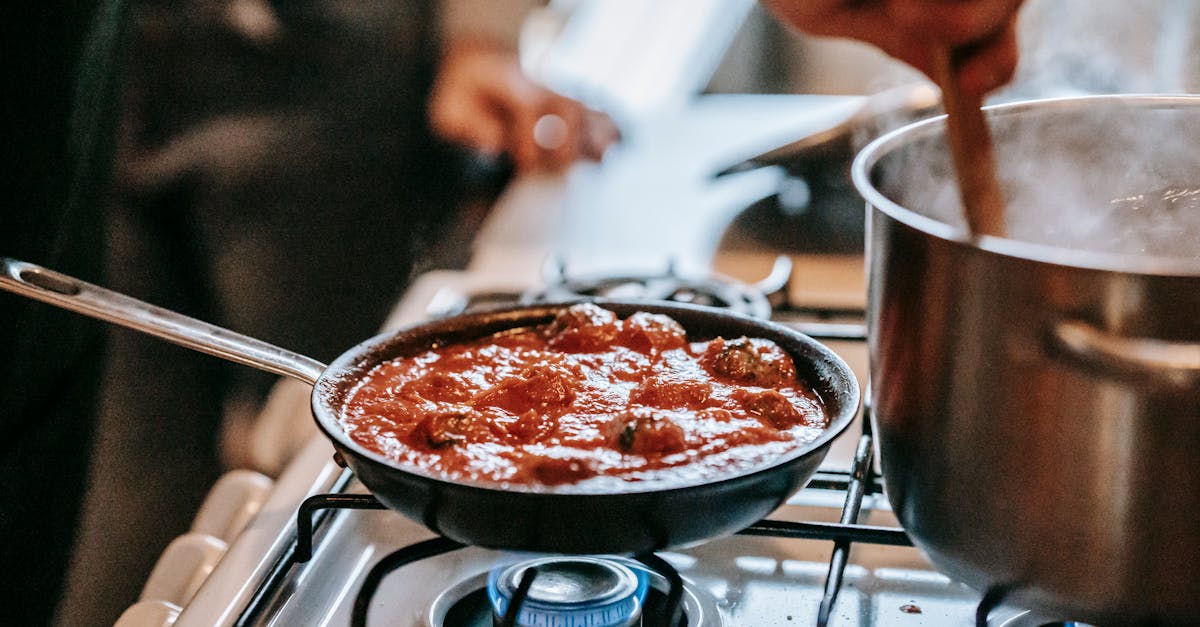
HelloFresh states 25–30 minutes. Blue Apron states 35–40 minutes. Both are accurate if you’re an experienced cook. If you’re new to cooking, add 10–15 minutes to both.
The difference isn’t just clock time — it’s instruction density. HelloFresh recipes say “dice the onion, sauté 3 minutes.” Blue Apron recipes say “dice the onion into ¼-inch pieces for even cooking; sauté over medium-high heat, stirring occasionally, until softened and translucent, 3–5 minutes.”
Same task. HelloFresh assumes you know what “softened and translucent” looks like. Blue Apron tells you. That’s the real divide.
For busy weeknights where you just need dinner done, HelloFresh wins. For weekends or slower evenings where you want to learn technique, Blue Apron wins.
Side-by-side: pricing and long-term cost
First-box discounts make both services look cheaper than they are long-term, but steady-state pricing is nearly identical.
Example: 2-person household, 4 meals per month
| Service | Month 1 (with promo) | Month 2+ | Annual (months 2–13) |
|---|---|---|---|
| HelloFresh (2 servings, 2 meals/week) | ~$40–$50 | ~$240/mo | ~$2,880 |
| Blue Apron (2 servings, 2 meals/week) | ~$40–$60 | ~$240/mo | ~$2,880 |
The math changes for larger households. HelloFresh’s 4-serving plans drop per-person cost to $6.99/serving. Blue Apron’s 2-serving-only model means a family of 4 pays $7.49–$9.99/serving twice — effectively $30–$40 per meal vs. HelloFresh’s $28 per meal for 4 servings.
If you’re a couple: Pricing is equivalent. Pick based on recipe complexity preference.
If you’re a family of 3+: HelloFresh is structurally cheaper due to 4-serving and 6-serving options.
Why serving size matters more than price per serving

This is the detail most comparisons skip. Blue Apron only offers 2-serving meals. HelloFresh offers 2, 3, 4, or 6 servings per recipe.
Scenario 1: You live alone
- HelloFresh forces you into 3–4 servings minimum → you cook excess or eat leftovers 2–3 days in a row
- Blue Apron’s 2-serving model fits perfectly → less fridge space wasted
Scenario 2: You’re a family of 4
- HelloFresh’s 4-serving plan costs $6.99/serving → $28/meal for all 4 people
- Blue Apron’s 2-serving plan costs $7.49–$9.99/serving → you’d need two 2-serving meals per recipe → $30–$40/meal for all 4 people
The per-serving price is a distraction. What matters is how many servings you actually need and whether the service offers that option.
Packaging and sustainability impact
Neither service gets an A+ on packaging waste, but they handle it differently.
HelloFresh uses some compostable insulation materials in select markets and has committed to reducing plastic packaging. Ice packs are gel-based and recyclable in some municipal programs (check your local guidelines). Meal components arrive in individual plastic bags, which adds up fast over multiple deliveries. According to the Environmental Working Group, meal kit packaging waste remains a concern industry-wide, though companies are incrementally improving.
Blue Apron’s packaging is similarly mixed: insulated liners, gel ice packs, and plastic component bags. Some ice packs can be drained and recycled. Blue Apron has stated sustainability commitments but doesn’t yet offer fully compostable packaging across all deliveries.
Both services generate more single-use packaging than grocery shopping with reusable bags. If minimizing waste is a priority, batch-cook from bulk groceries. If you’re choosing between meal kits and want the lower-waste option, the difference is marginal — focus instead on how consistently you’ll use the service (a canceled subscription you never open wastes more than the packaging itself).
How we compared these
We ordered trial subscriptions from both HelloFresh and Blue Apron in January 2025 (5 recipes each), cooked them on weeknights, and timed actual prep-to-plate duration. Pricing was verified on January 15, 2025, for a California zip code (94102). Regional pricing varies — check your zip code on each service’s site for exact numbers.
Customer retention data was reviewed through publicly available SEC filings for both companies. Packaging details were cross-referenced with Consumer Reports meal kit coverage and company sustainability statements.
We did not test every recipe category (both services offer many recipes per week). Findings reflect weeknight dinner recipes in the “classic” categories. Specialty categories (e.g., HelloFresh’s “Gourmet Plus”) may differ.
FAQ
Can I cancel HelloFresh or Blue Apron anytime?
Yes, both services allow pause, skip, or cancel with no penalty. HelloFresh’s in-app pause toggle is straightforward. Blue Apron has the same functionality but sends follow-up emails post-cancellation. Neither charges a cancellation fee.
What’s the difference in cooking time between HelloFresh and Blue Apron?
HelloFresh recipes average 25–30 minutes; Blue Apron recipes average 35–40 minutes. The difference is instruction density, not cooking complexity. Blue Apron explains technique steps (e.g., “how to dice an onion for even cooking”), which adds time for less experienced cooks. If you already know basic knife skills, the gap narrows.
Is Blue Apron cheaper than HelloFresh?
First-box pricing: both offer significant discounts. Steady-state pricing (month 2+): nearly identical at $7–$10/serving depending on plan size. For families of 3+, HelloFresh’s 4-serving and 6-serving options reduce per-person cost to $6.99/serving; Blue Apron’s 2-serving-only model forces you to order multiple boxes, raising total cost.
Does Blue Apron have keto or low-carb recipes?
No. Blue Apron offers vegetarian options but no dedicated keto or low-carb plans as of January 2025. HelloFresh offers both. If you follow a keto or low-carb diet, HelloFresh is your only option here.
Which meal kit has better ingredient quality?
Both source ingredients responsibly and arrive fresh (insulated packaging, ice packs). Blue Apron emphasizes sourcing transparency — recipe cards name specific farms and producers. HelloFresh focuses on sustainability commitments but doesn’t name individual suppliers. Objectively, produce quality is equivalent. Subjectively, Blue Apron’s transparency appeals to buyers who care about supply chain visibility. For broader food safety and sourcing standards, the FDA regulates meal kit ingredients the same way it regulates grocery store produce.
Which service do people actually stick with longer?
According to publicly available financial data, HelloFresh shows more stable customer retention over time. Blue Apron’s filings have historically reflected higher churn rates. This may reflect different use cases: HelloFresh’s family-oriented model converts more subscribers into long-term users, while Blue Apron’s learning-focused approach may attract buyers who use it temporarily to build cooking skills and then move on.
Affiliate disclosure: Comparisony earns affiliate commissions from HelloFresh and Blue Apron if you sign up using our links. These commissions don’t affect our recommendations — we call out weaknesses for both services above and don’t claim either is “best overall.”
The choice
If you’re a busy household (3+ people) needing dinner fast with flexible meal counts week-to-week, HelloFresh is the clear choice. If you’re a couple or solo cook who wants to learn technique and cares about ingredient sourcing, Blue Apron fits better. Both cost roughly the same long-term; the decision is about how you want to cook, not what you’re willing to spend.
For a broader comparison across more meal kit services (including budget options and premium options), see our best meal kit services 2025 roundup.