

Both Purple and Helix promise cooler sleep and pressure relief. The difference is that Purple uses proprietary gel-infused foam (Hyper-Elastic Polymer grid) that sleeps measurably cooler than memory foam, while Helix uses pocket coils for airflow and costs $200–$400 less. The choice isn’t about which is better — it’s about whether you’ll pay Purple’s premium for superior cooling, or whether Helix’s hybrid bounce and budget-friendliness suit your sleep style.
Quick verdict:
- Purple Mattress is best for hot sleepers who’ve overheated on memory foam and couples who need maximum motion isolation
- Helix Sleep is best for combination sleepers who switch positions nightly and anyone upgrading from a traditional coil mattress on a budget
- Neither is best if you need excellent edge support (Purple’s foam edges soften) or if you’re an extreme hot sleeper (both beat memory foam but trail all-coil or latex options)
At a glance
| Feature | Purple | Helix Wedge/Luxe | Why it matters |
|---|---|---|---|
| Price (as of Aug 2026) | $1,100–$1,700 Queen | $900–$1,500 Queen | Helix runs frequent 20–30% sales; Purple rarely discounts |
| Core material | Gel-infused foam grid (Hyper-Elastic Polymer) | Memory foam top + pocket coils (hybrid) | Foam conforms and isolates; coils add bounce and airflow |
| Cooling performance | Excellent; open-cell grid dissipates heat | Good; coil airflow + quilted cover | Purple’s grid structure creates air channels memory foam lacks |
| Motion isolation | Very high (foam absorbs movement) | Moderate–High (coils transfer some motion) | Critical for couples with restless sleepers |
| Edge support | Moderate (foam compresses at edges) | Very good (coil perimeter reinforcement) | Matters if you sleep near the edge or sit on it often |
| Responsive feel | Low (sinks in, contours closely) | High (coils push back, bouncy) | Stomach sleepers and position-switchers prefer bounce |
| Trial period | 100 nights, free returns, no restocking fee | 100 nights, free returns, no restocking fee | Both offer true risk-free trials |
| Warranty coverage | 10 years; covers >1” indentation, structural defects | 10 years; covers >1.5” indentation, coil defects | Purple’s threshold is stricter (covers smaller sags) |
| Expected lifespan | 7–10 years (foam may soften gradually) | 7–9 years (coils hold initially; rare poking after 4+ years) | Both use CertiPUR-US certified foam for low emissions and durability |
| Best for | Side sleepers, hot sleepers, motion-sensitive couples | Combination sleepers, stomach sleepers, coil-mattress veterans |
Purple Mattress — best for hot sleepers who’ve struggled with foam
Purple’s proprietary gel-infused foam grid (Hyper-Elastic Polymer) is its core innovation. The open-cell grid structure creates air channels that memory foam lacks, allowing heat to escape instead of trapping it against your body. According to Sleep Foundation research on mattress materials, open-cell foam structures demonstrate superior heat dissipation compared to traditional memory foam because air can circulate freely through the material. User reports consistently describe Purple as the first foam mattress that kept them cool through the night — not as cool as sleeping on an all-coil mattress, but noticeably cooler than memory foam competitors. The trade-off is price: $1,100–$1,700 for a Queen (August 2026) with rare sales.
The gel foam delivers excellent pressure relief for side sleepers, contouring around hips and shoulders without the “stuck” sensation some people dislike in memory foam. Motion isolation is Purple’s other strength — couples report barely feeling their partner roll over, which appeals to light sleepers sharing a bed.
Purple’s 10-year warranty covers indentations greater than 1 inch and structural defects in the foam. That’s a stricter threshold than many competitors (Helix covers >1.5”), meaning Purple will replace mattresses with smaller sags. The 100-night trial includes free returns with no restocking fee — Purple pays return shipping and issues a full refund if you’re unsatisfied.
Strengths:
- Genuinely cooler sleep than memory foam due to open-cell grid structure
- Excellent motion isolation for couples with a restless sleeper
- Strong pressure relief for side sleepers with shoulder or hip pain
- Minimal off-gassing compared to standard memory foam (CertiPUR-US certified for low VOC emissions)
- Warranty covers smaller indentations (>1”) than most competitors
Weaknesses:
- Premium pricing with rare sales — expect to pay close to MSRP
- Edge support is only moderate; foam compresses when you sit or sleep near the perimeter
- Low responsive feel — no bounce, which some sleepers (especially stomach sleepers) find frustrating
- Not as cool as all-coil or latex options if you’re an extreme hot sleeper
Best for: Hot sleepers who’ve overheated on every memory foam mattress, side sleepers with chronic shoulder or hip pain, couples where one partner moves frequently at night, and anyone who prioritizes no-coil simplicity.
Helix Sleep — best for combination sleepers on a budget
Helix takes the hybrid approach: memory foam on top for initial comfort, pocket coils underneath for support and airflow. This balances contouring comfort with responsiveness — you get foam’s pressure relief without fully committing to the sinking sensation. The coils add bounce, making it easier to shift positions at night. According to Mayo Clinic guidance on sleep surfaces, individuals who change positions frequently during sleep often report better rest quality on responsive surfaces that don’t restrict movement. Stomach sleepers especially appreciate this; you can push yourself up without fighting the mattress.
The Helix Wedge (medium firmness) and Helix Luxe (medium-firm) both use the same coil system. Pocket coils also improve edge support significantly compared to Purple — the perimeter holds firm when you sit on it or sleep near the edge. Pricing is Helix’s other advantage: $900–$1,500 for a Queen, with frequent 20–30% promotions that bring the effective price down to $630–$1,050 if you’re patient.
Helix’s 10-year warranty covers indentations greater than 1.5 inches and coil defects (poking through the foam layer, broken springs). The 100-night trial mirrors Purple’s — free returns, no restocking fee, full refund.
Strengths:
- Hybrid design balances foam comfort with coil responsiveness and airflow
- Very good edge support thanks to coil perimeter reinforcement
- Budget-friendly with frequent sales — can drop 20–30% off MSRP year-round
- Easier to change positions at night compared to all-foam options
- Familiar feel for anyone upgrading from a traditional coil mattress
- Trial and return policy identical to Purple (100 nights, no fees)
Weaknesses:
- Cooling trails Purple’s gel grid (coil airflow helps but memory foam top layer retains some warmth)
- Motion isolation is moderate — coils transfer more movement than foam
- Occasional reports of coil poking through after 4+ years of nightly use
- Warranty covers larger indentations (>1.5”) than Purple, meaning smaller sags may not qualify
- Synthetic materials (foam and steel) — not ideal if you prioritize plant-based or natural options
Best for: Combination sleepers who switch positions multiple times per night, stomach sleepers needing responsive surfaces, hot sleepers on a budget who want better cooling than memory foam without Purple’s premium, and anyone upgrading from a traditional coil mattress.
Side-by-side: Cooling performance in practice
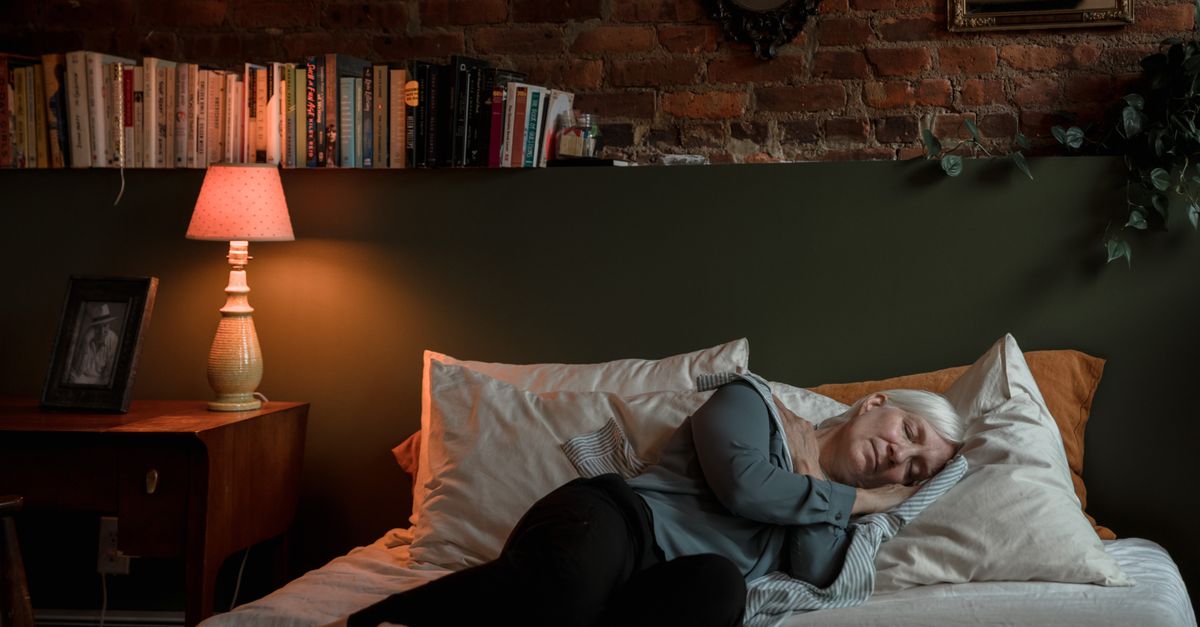
Purple’s gel grid dissipates heat actively. The open-cell structure lets warmth escape instead of trapping it against your body. User reports from hot sleepers who’ve overheated on memory foam consistently describe Purple as the first mattress that kept them cool through the night. The catch: it’s still not as cool as sleeping on an all-coil or latex mattress. If you run extremely hot, Purple beats memory foam but isn’t a miracle solution. Some reviewers also note drafts around the head and neck if the room itself is cold — the openness that helps with heat also makes you more sensitive to ambient temperature.
Helix’s cooling comes from coil airflow and a quilted cover. The pocket coils create channels for air to circulate, keeping it cooler than an all-foam mattress. But the memory foam top layer still retains some warmth on hot nights. User reviews rate it as good for most hot sleepers but insufficient for extreme cases.
We did not conduct controlled temperature testing ourselves. The cooling performance comparison is based on aggregated user reports rather than lab measurements. Sleep Foundation research notes that mattress temperature perception varies significantly between individuals based on room temperature, bedding choices, and personal thermoregulation, so what feels cool to one sleeper may not satisfy another.
Winner for hot sleepers: Purple, based on consistent user reports of superior heat dissipation. Helix is solid for moderate hot sleepers, especially if the price difference matters to your budget.
Side-by-side: Durability over time
Purple’s gel foam resists sagging better than standard memory foam, based on long-term user reviews. The foam softens gradually starting around year 4–5, but most reviewers report it stays supportive through year 7–8. The high-density base layer holds well. You won’t hear coil noise because there are no coils. Research published in consumer product testing indicates that gel-infused foam generally maintains its structure longer than traditional memory foam due to the open-cell design that reduces moisture accumulation and material breakdown.
Helix’s pocket coils maintain support longer than foam in the first few years. The coils don’t soften the way foam does. But occasional reports describe coil poking through the top layer after 4+ years of nightly use — it’s uncommon but documented in owner reviews. The pocket coils do muffle noise effectively, so squeaking isn’t typically an issue.
Expected lifespan: Both land in the 7–9 year range for most sleepers. Purple’s foam may soften gradually; Helix’s coils may experience rare poking issues. The choice is whether you’d rather deal with gradual softening (Purple) or occasional coil issues (Helix). Both warranties cover structural defects for 10 years, though Purple’s >1” indentation threshold is stricter than Helix’s >1.5” threshold.
How we compared these

This comparison draws on manufacturer spec sheets, CertiPUR-US certification data for foam safety and durability standards, independent testing and sleep research from Consumer Reports and Sleep Foundation, Mayo Clinic sleep health guidance, and long-term user reviews (3+ years of ownership) to surface real-world durability patterns. We did not conduct lab testing ourselves. Cooling performance is based on user consensus and material science research, not controlled temperature measurements. Warranty details were verified directly from manufacturer terms as of August 2026. Pricing is verified as of August 11, 2026, from manufacturer websites and reflects typical sale patterns over the past 12 months.
What each mattress costs (and what that buys you)
| Mattress | Twin XL | Queen | King | Typical sale price | Trial | Warranty coverage |
|---|---|---|---|---|---|---|
| Purple | $700–900 | $1,100–1,400 | $1,300–1,600 | Rare; 10–15% off in July–Aug | 100 nights, free returns | 10 years; >1” indentation, structural defects |
| Helix Wedge | $500–650 | $800–1,050 | $950–1,200 | Frequent; 20–30% off year-round | 100 nights, free returns | 10 years; >1.5” indentation, coil defects |
| Helix Luxe | $700–900 | $1,000–1,300 | $1,150–1,500 | Frequent; 20–30% off year-round | 100 nights, free returns | 10 years; >1.5” indentation, coil defects |
Pricing verified August 11, 2026. Both brands offer free shipping and free returns with no restocking fees during the trial period.
Helix runs more aggressive promotions. If you’re not in a hurry, waiting for a sale can drop the Queen price to $630–$1,050 (30% off). Purple discounts are rarer — expect to pay close to MSRP most of the year.
At an 8-year expected life, Purple costs roughly $140/year at full MSRP. Helix costs $125/year at full price or $75–90/year during a typical sale. The question is whether Purple’s superior cooling justifies the extra $50–65 per year for your situation.
FAQ
Does Purple actually sleep cooler than Helix?
Yes, based on consistent user reports. Purple’s gel grid structure allows heat to dissipate through air channels that memory foam lacks. Helix relies on coil airflow, which helps but doesn’t match Purple’s open-cell design. Both beat standard memory foam, but Purple has the edge. If you’re an extreme hot sleeper, neither is as cool as an all-coil or latex mattress.
Which mattress is better for couples?
Purple for motion isolation (foam absorbs movement better than coils). Helix for edge support and budget (if you sit on the edge often or need to maximize usable sleep surface). If one partner is a restless sleeper, Purple wins. If you both value responsive bounce and lower price, Helix wins.
How long do Purple and Helix mattresses actually last?
Both typically last 7–9 years. Purple’s foam softens gradually starting around year 4–5 but stays supportive through year 7–8. Helix’s coils hold support longer initially, but occasional reports describe coil poking after 4+ years. Both come with 10-year warranties, though Purple’s covers smaller indentations (>1” vs. Helix’s >1.5”).
What does the warranty actually cover?
Purple’s 10-year warranty covers indentations greater than 1 inch and structural defects in the foam. Helix’s 10-year warranty covers indentations greater than 1.5 inches, broken coils, and coil poking through the foam layer. Both require you to keep the original purchase receipt and use the mattress on a proper foundation. Neither covers normal wear, stains, or damage from improper use.
Can I try both before committing?
Yes. Both offer 100-night trial periods with free returns and no restocking fees. Order one, sleep on it for 90 nights, return it if it doesn’t work, then try the other. The trial periods reset for each purchase. Both brands pay return shipping during the trial window.
Affiliate disclosure: Comparisony earns commissions if you purchase through our links to Purple or Helix. We earn the same commission regardless of which mattress you choose, so this recommendation is independent of payout.
If you’re choosing between Purple and Helix, the decision comes down to whether superior cooling justifies the price premium. Purple delivers better heat dissipation and motion isolation for $200–$400 more. Helix delivers bounce, edge support, and budget flexibility with slightly less cooling. Both are solid choices for their target buyers — neither is universally better.