

The Roomba J7+, Bissell SmartClean R765, and Shark AI Ultra all pick up pet hair off carpet and hardwood. What separates them is reliability—how often the auto-empty base clogs on long fur, how frequently you’re cutting tangled hair off the brushes, and whether the maintenance burden three months in matches the hands-off promise on the box. Budget, bin capacity, and obstacle avoidance matter, but pet owners quit using robot vacuums when maintenance becomes a recurring chore.
Quick verdict:
- Roomba J7+ is the best choice for pet owners who want minimal intervention and can justify the premium cost for reliable auto-empty operation
- Bissell SmartClean R765 is the best choice for budget-conscious pet homes willing to empty the bin regularly and clean brushes on a schedule
- Shark AI Ultra is the best choice for multi-surface homes with moderate shedding where mopping capability matters and occasional manual intervention is acceptable
Robot vacuums tame surface shedding, but managing it at the source helps more—PawsGuides explains how often you should actually bathe a dog to reduce dander buildup.
At a glance
| Feature | Roomba J7+ | Bissell SmartClean R765 | Shark AI Ultra |
|---|---|---|---|
| Price (as of June 2, 2026) | $699–749 | $349–399 | $499–549 |
| Auto-empty base | Yes (60-day capacity) | No | Yes (30-day capacity) |
| Mopping | No | No | Yes (wet/dry) |
| Pet-specific features | Obstacle avoidance for pet waste | Anti-tangle brush combo | Tangle-optimized rubber brushes |
| Bin capacity | 0.5 L + 2 L base | 0.75 L (manual empty) | 0.75 L + 2.5 L base |
| Runtime per charge | 75 min / 200 m² | 70 min / 180 m² | 60 min / 200 m² |
| Best for | Hands-off pet homes | Budget pet homes | Multi-surface homes with mopping needs |
| Biggest weakness | Premium cost, no mopping | No auto-empty, frequent brush cleaning | Auto-empty clogs reported by some users |
Roomba J7+ — best for hands-off pet homes
The Roomba J7+ costs more than the other two options because iRobot engineered the auto-empty system to resist clogging on pet hair. The dual rubber brushes keep most hair from wrapping around the center spindle, and what does wrap stays on the brush edges where it doesn’t block the transfer path to the base. According to Consumer Reports testing, Roomba models consistently rank higher in long-term reliability metrics compared to competitors, particularly in households with pets. The 60-day base capacity means you swap bags roughly every two months in a typical pet home.
The obstacle avoidance is tuned to dodge pet waste, toys, and cords, which reduces stuck-robot alerts when you’re at work. The cost of this convenience is $700-750, which puts it significantly above the alternatives. You’re also locked out of mopping—if you have tile or hardwood where pet dander accumulates, you’ll need a separate device. The base unit measures 18 inches wide, which matters in apartments or condos where outlet space near floor level is limited.
Strengths:
- Auto-empty base clogs less frequently than competitors; minimal intervention for roughly two months between bag changes
- Pet-specific obstacle avoidance reduces stuck incidents in homes with toys, cords, or accidents
- Dual rubber brushes resist center tangles better than bristle combos
- Higher reliability ratings from Consumer Reports for pet households
Weaknesses:
- Premium pricing makes it a financing decision for many households
- No mopping capability for hard floors where dander settles
- Large base footprint requires dedicated dock space
Best for: Pet households with multiple animals, mixed flooring, and members who work away from home or travel frequently. The premium cost makes sense if the alternative is paying someone to vacuum weekly or replacing a cheaper robot that requires frequent intervention.
Bissell SmartClean R765 — best for budget pet homes
The Bissell SmartClean R765 costs roughly half what the Roomba does and handles matted pet hair on carpet aggressively. The bristle-plus-rubber brush combo digs into carpet fibers where shedding accumulates, which users with heavy-shedding breeds report as noticeably better pickup on first pass. The cost of this aggressive design is tangle risk—plan to cut hair off the brush regularly in a heavy pet home, and you’ll empty the 0.75-liter bin every few days depending on shedding load.
There’s no auto-empty base. This isn’t a defect; it’s the design choice that keeps the price at $349-399. If someone in your household is home regularly or you don’t mind a brief bin-empty routine every few days, the maintenance trade-off delivers strong carpet performance per dollar spent. Bissell’s maintenance documentation specifies brush cleaning intervals and replacement part costs—the brush assembly costs $15-25 to replace, and filters run $8-12 for a two-pack, which makes long-term ownership costs predictable.
Strengths:
- Strong direct carpet pickup for matted pet hair
- Lowest upfront cost makes it accessible without financing
- Larger 0.75 L bin reduces empty frequency compared to Roomba’s 0.5 L onboard bin
- Replacement parts and maintenance supplies are affordable and widely available
Weaknesses:
- No auto-empty means regular manual emptying in pet homes
- Bristle brush tangles more frequently than rubber-only designs; requires proactive cleaning
- Generic obstacle avoidance (no pet-specific tuning) leads to occasional toy run-overs
Best for: Budget-conscious households with moderate pet presence, mostly carpeted square footage, and a household member home regularly who doesn’t mind light maintenance. The savings over Roomba offset the hands-on effort for many buyers.
Shark AI Ultra — best for multi-surface homes with mopping needs

The Shark AI Ultra lands in the middle on price ($499-549), features, and trade-offs. It includes wet/dry mopping, which the other two don’t, making it the only option here that addresses pet dander on tile and hardwood in the same device. The dual rubber brushes handle pet hair with fewer reported tangles than Roomba according to user forums, and the auto-empty base works reliably for many users.
Some users report occasional auto-empty clogs, typically when long pet hair enters the transfer tube and wraps around the impeller. This appears more common in long-haired pet homes based on user reports in forums and verified purchase reviews. The base capacity is smaller than Roomba’s (30 days versus 60), which increases emptying cycles. The mopping system adds value for hard floors but requires rinsing the water tanks after each use to prevent bacterial growth per EPA indoor air quality guidance, which adds a maintenance step.
Strengths:
- Integrated mopping handles pet dander and spills on hard floors without a second device
- Many users report lower tangle incidence compared to competitor models
- Best price-to-features ratio among the three options
Weaknesses:
- Some users report auto-empty base clogs on long pet hair, more common than with Roomba
- Shorter 60-minute runtime requires split runs in larger homes
- Mopping tanks need post-use rinsing to prevent bacterial buildup
Best for: Pet homes with mixed carpet and hard flooring, moderate shedding (one cat or small dog, not heavy shedders like Huskies), and willingness to occasionally troubleshoot the base if needed. The mopping bonus makes sense if you’re currently considering separate vacuum and mop devices.
Maintenance costs and long-term ownership
Upfront pricing tells half the story. The Roomba J7+ requires replacement bags ($20-25 for a three-pack) roughly every two months in a pet home, plus occasional brush replacements ($30-40 for the dual rubber brush set). Over two years, that’s roughly $150-200 in consumables.
The Bissell SmartClean R765 has no bag costs, but you’ll replace the brush assembly annually in heavy-use pet homes ($15-25) and filters every few months ($8-12 for a two-pack). Two-year consumable costs run $60-100, less than half the Roomba’s ongoing expenses. The absence of an auto-empty base means fewer mechanical failure points, though this doesn’t eliminate the manual labor trade-off.
The Shark AI Ultra falls in the middle: replacement bags for the base ($15-20 for a three-pack) plus occasional brush and filter replacements. Two-year consumable costs run $120-160. The mopping pads are reusable but need replacement after extended use ($10-15 for a two-pack).
The budget model stays cheaper to own over time, which reinforces the value proposition if you’re willing to handle the maintenance yourself. The premium models cost more in consumables, but the time saved on manual intervention offsets the expense for households that value hands-off operation.
Noise levels and pet tolerance
Robot vacuum noise matters in pet homes because some animals react anxiously to motor and brush noise. While specific decibel measurements vary by testing methodology—ASTM D5332 defines the standard test method for acoustic measurement of vacuum cleaners—manufacturers don’t always publish standardized noise data for robot models.
User reports suggest the Roomba J7+ runs quieter than the Shark AI Ultra during normal operation, though both spike in volume during auto-empty cycles when the base engages. The Bissell SmartClean R765 runs at comparable volume to the Roomba but without auto-empty noise spikes. If your pet startles easily at sudden loud noises, the auto-empty base sound may require acclimation or scheduling runs when you’re home to reassure the animal.
For households with noise-sensitive pets, consider running the vacuum while you’re present during the first few cycles to gauge your animal’s reaction before scheduling unattended runs.
Side-by-side: Auto-empty reliability in pet homes
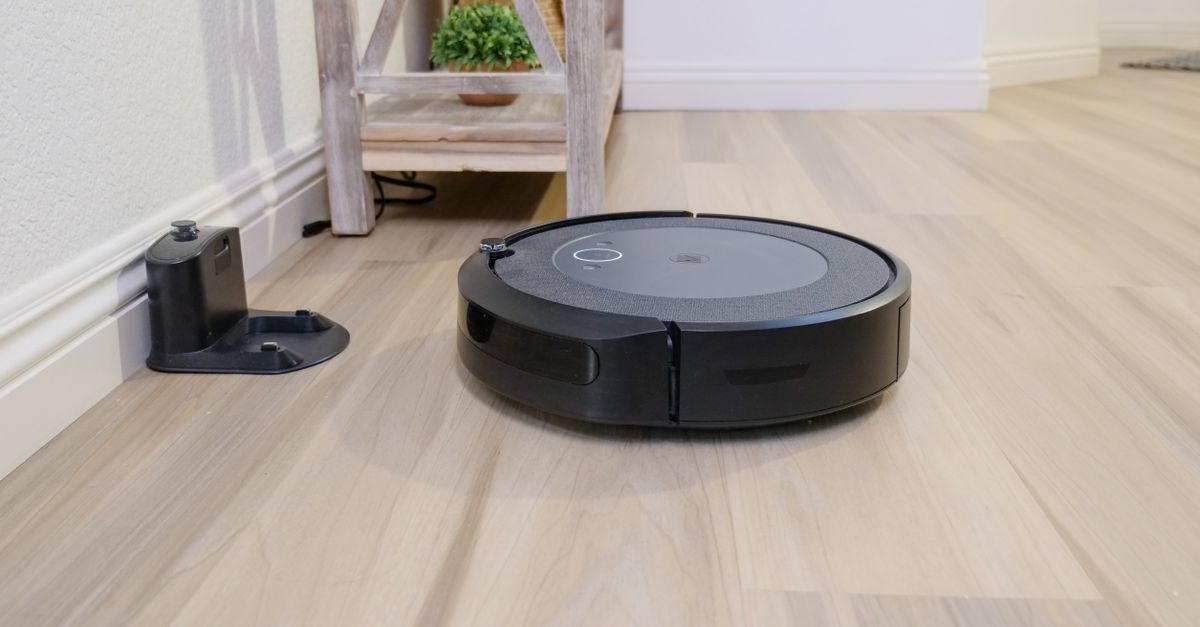
Auto-empty bases promise hands-off operation, but the reality varies by brand. The Roomba J7+‘s system demonstrates higher reliability because the robot’s dual rubber brushes resist tangles, which means less hair enters the transfer path in the first place. The base holds 60 days of debris, and clog reports in user forums appear infrequent. When the base bag fills, you swap it out in under a minute with minimal mess.
The Shark AI Ultra’s auto-empty works well for light-to-moderate shedding but some users report clogs with long pet hair. The transfer tube is narrower than Roomba’s, and when tangled hair wraps around the base impeller, the robot stops mid-empty and throws an error. You’ll need to open the base, pull out the tangled hair, and restart. This happens more frequently in long-haired pet homes based on user reports. The 30-day base capacity means more frequent emptying cycles, which increases clog exposure over time.
The Bissell has no auto-empty base, which removes the clog question entirely but shifts the burden to you. In a heavy pet home, you’re emptying the 0.75-liter bin every few days. This takes under two minutes and exposes you to pet dander if you’re allergic, which is a meaningful trade-off the auto-empty options avoid. For households managing allergies or asthma, EPA guidance on indoor air quality suggests minimizing direct exposure to pet allergens during vacuum maintenance.
For truly hands-off operation in a pet home, Roomba’s reliability justifies the premium for many buyers. For budget buyers, Bissell’s manual approach is predictable and straightforward. Shark occupies the middle: auto-empty convenience for many users, with occasional manual intervention for some.
How we compared these
This comparison draws on manufacturer specifications from iRobot, Bissell, and Shark; verified pricing from Amazon and Best Buy as of June 2, 2026; reliability data from Consumer Reports; and user-reported experiences from Reddit’s r/Roombas, Shark owner forums, and verified purchase reviews on retail sites. We referenced ASTM standards for acoustic testing methodology and EPA guidance for allergen control context. We did not conduct side-by-side lab testing, so pet-hair performance and tangle-rate assessments reflect aggregated user reports from 2025-2026 rather than controlled testing. Pricing fluctuates with promotions, so verify current street prices before purchasing.
FAQ
Do robot vacuums work on pet hair?
Yes, but all three require maintenance trade-offs. The Roomba J7+ handles pet hair with the least hands-on intervention due to auto-empty reliability. The Bissell SmartClean R765 requires frequent bin emptying and brush cleaning but costs significantly less. The Shark AI Ultra auto-empties but some users report clogs on long pet hair. None of these replaces an upright vacuum for deep cleaning, but they reduce the frequency from weekly to bi-weekly in most pet homes.
How often do you empty a robot vacuum with pets?
With the Roomba J7+, the auto-empty base holds roughly 60 days of debris, so you swap the bag every couple of months. The Shark AI Ultra’s base holds roughly 30 days, assuming no clogs. The Bissell SmartClean R765 has no auto-empty, so you’ll manually empty the 0.75-liter bin every few days depending on shedding load. Households with heavy-shedding breeds empty more frequently.
Do robot vacuums get tangled in pet hair?
Yes. All three tangle to some degree. User reports suggest the Shark AI Ultra experiences lower tangle incidence, followed by the Roomba J7+, with tangles mostly around brush edges rather than the center. The Bissell SmartClean R765’s bristle-plus-rubber combo tangles most frequently and requires cutting hair off the brush regularly in heavy pet homes. The Roomba’s auto-empty design reduces how often tangles affect performance, since you’re not manually handling the bin as frequently.
Can a robot vacuum replace regular vacuuming in a pet home?
No. These robots supplement weekly or bi-weekly upright vacuuming, especially for embedded pet hair in carpet or furniture. They handle daily surface shedding and reduce how often you need to pull out the upright, but they don’t reach edges, corners, or furniture as thoroughly as manual vacuuming.
Affiliate disclosure: This article contains affiliate links to Amazon and Best Buy. If you purchase through these links, Comparisony earns a commission at no extra cost to you. These commissions support our research and comparison work, but they don’t influence which products we recommend or how we rank them. We disclose pricing, maintenance burdens, and weaknesses for every option regardless of commission rates.
The Roomba J7+ suits pet homes that can afford the premium—the auto-empty reliability and pet-specific obstacle avoidance remove the friction that makes cheaper robots end up in closets after a few months. The Bissell SmartClean R765 delivers strong carpet performance at half the cost for households realistic about the maintenance commitment. The Shark AI Ultra makes sense for the specific buyer who needs mopping and auto-empty in one device and accepts occasional manual intervention as part of ownership.