
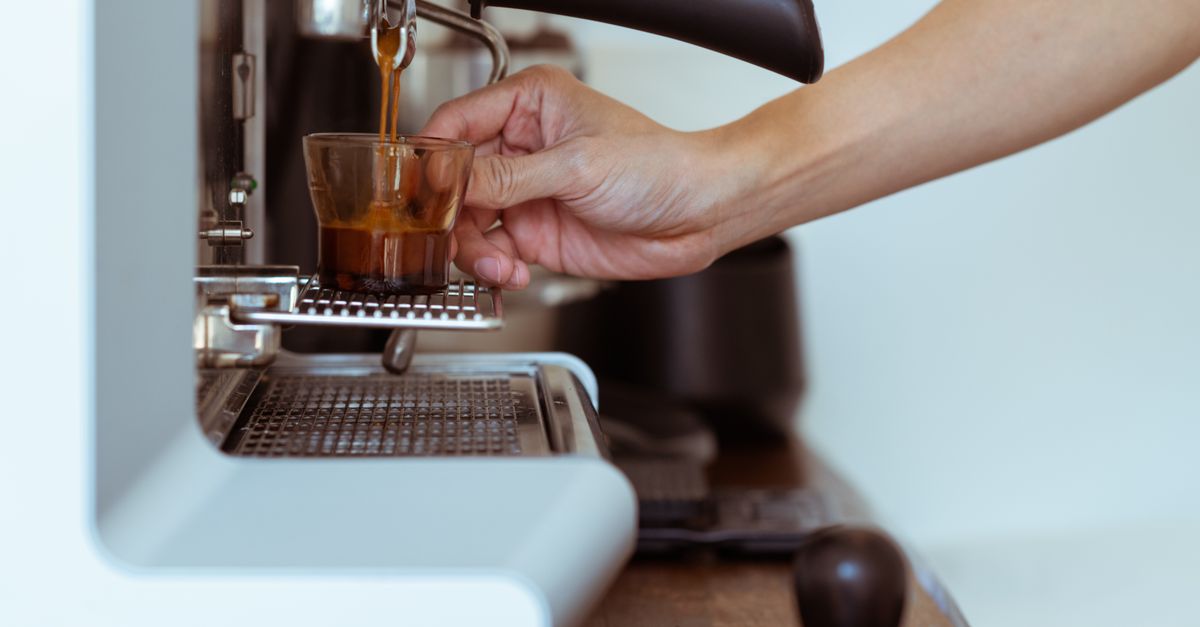
This isn’t an apples-to-apples comparison. Nespresso is a pod-based convenience system that delivers identical drinks every time you press a button. DeLonghi is a manufacturer that makes everything from $200 manual espresso machines to $800 super-automatics with built-in grinders. Most comparisons treat them as direct competitors — they’re not. The real question is whether you value convenience enough to pay double over five years, or whether you’re willing to invest time learning to pull shots yourself.
I learned this the expensive way. When I renovated my Minneapolis kitchen in 2019, I bought a Nespresso because it looked clean on the counter and promised café-quality drinks with zero learning curve. It delivered exactly that for 18 months. Then I did the math on capsule costs and realized I’d spent $600 on pods alone. That machine now lives in my office. At home, I use a DeLonghi Dedica that cost less upfront and saves me $400 a year — but it took me three weeks and about 20 terrible shots to learn how to dial it in.
Quick verdict:
- Nespresso is best for people who drink 1–2 coffees a day, want zero cleanup complexity, and value consistency over customization
- DeLonghi manual machines (like the Dedica) are best for daily espresso drinkers willing to learn barista basics and save $700+ over five years
- DeLonghi super-automatic machines (like the Magnifica or Dinamica) are best for busy households that want fresh-ground espresso drinks without the skill investment
At a glance
| Feature | Nespresso (Pod System) | DeLonghi Manual | DeLonghi Super-Automatic |
|---|---|---|---|
| Price range | $160–$320 | $220–$280 | $380–$750 |
| Per-drink cost | $0.70–$0.90 (capsules) | $0.15–$0.25 (beans) | $0.20–$0.30 (beans) |
| 5-year total cost (300 drinks/year) | ~$1,500 | ~$700 | ~$875 |
| Brew time | 25–40 seconds | 45–90 seconds | 60–120 seconds |
| Learning curve | None (one button) | Steep (2–4 weeks) | Low (presets) |
| Built-in grinder | No | No (buy separately) | Yes |
| Capsule/bean waste | 7g aluminum per drink | Compostable grounds | Compostable grounds |
| Typical lifespan | 5–7 years | 3–5 years (7 with care) | 3–4 years |
| Best for | Commuters, inconsistent drinkers | Coffee enthusiasts, budget-conscious daily users | Busy families, fresh-grind convenience |
| Biggest weakness | Capsule costs stack fast | Requires separate $100+ grinder | High failure rate on grinder/valves |
Nespresso — best for people who want identical drinks every time
Nespresso machines are pod systems. You insert a sealed aluminum capsule, press a button, and get the same espresso or lungo every single time. There’s no grind adjustment, no tamping, no pressure monitoring. The coffee is pre-ground and sealed at the roastery, sometimes for months before you brew it. That sounds like a downside, but it’s actually the point: Nespresso’s system eliminates every variable that causes inconsistency, which means your Monday morning espresso tastes identical to your Friday afternoon one.
The machines themselves are compact and low-maintenance. The VertuoPlus and Citiz models take up about 6 inches of counter depth, heat up in 25 seconds, and require descaling every 300 drinks. That’s it. No group-head backflushing, no purging rituals, no worrying about stale beans. When I had mine in the kitchen, I emptied the capsule bin once a month and otherwise forgot about it.
Strengths:
- Zero learning curve — if you can press a button, you can make espresso
- Completely consistent shot quality across hundreds of drinks
- Compact footprint (fits in small apartment kitchens or office break rooms)
- Low noise compared to pump-driven machines
Weaknesses:
- Capsule cost is $0.70–$0.90 per drink, which adds up to $300–$400 per year for daily drinkers
- Environmental impact: each capsule generates 7g of aluminum waste (recyclable through Nespresso’s mail-back program, but still requires shipping and processing)
- Locked into Nespresso’s ecosystem — third-party pods aren’t compatible, and the flavor range is limited to what Nespresso offers
- No single-origin or micro-lot experimentation
Best for: Office workers who want one reliable drink on the way out the door, apartment dwellers with limited counter space, people intimidated by manual espresso, and anyone who drinks fewer than 150 cups a year (low enough frequency that bean-machine math doesn’t justify itself).
If you’re also evaluating other kitchen appliances that trade convenience for long-term cost, our Instant Pot vs Ninja Foodi: Which Multi-Cooker Is Right for You? comparison covers similar trade-offs in pressure cookers.
DeLonghi manual machines — best for people willing to learn
DeLonghi’s manual espresso machines (the Dedica is the most popular model at $220–$280 street price) are pump-driven portafilter machines. You grind fresh beans, dose them into a portafilter basket, tamp them with 30 pounds of pressure, lock the portafilter into the group head, and pull a shot by pressing a button that activates a 15-bar pump. If you do it right, you get café-quality espresso that tastes better than anything a pod system can deliver. If you do it wrong — grind too coarse, tamp unevenly, pull too fast — you get sour, weak, or bitter shots.
I wasted about 20 shots learning to dial in my Dedica. Grinding too fine caused the pump to stall and the shot to choke. Grinding too coarse gave me a 15-second gusher that tasted like dishwater. I finally got it right when I bought a burr grinder (a Baratza Encore, $150) and learned to watch the flow rate instead of just the timer. That investment — both the grinder and the time — is the real cost of a manual machine.
But once you learn it, you’re pulling shots that cost $0.15–$0.25 each instead of $0.75. Over five years at 300 drinks per year, that’s a $700 total cost versus $1,500 for Nespresso. You also get complete control: single-origin beans, light roasts, medium roasts, adjusting pressure for different beans. Nespresso’s pods are pre-ground and sealed for shelf life, not peak flavor. Fresh-ground beans taste noticeably brighter.
Strengths:
- Lowest per-drink cost ($0.15–$0.25 with fresh beans)
- Full control over grind size, dose, tamp pressure, and shot timing
- Best long-term value for daily espresso drinkers (500+ drinks/year)
- Minimal waste (compostable grounds, no capsules)
Weaknesses:
- Steep learning curve (expect 2–4 weeks and 10–20 bad shots)
- Requires a separate burr grinder ($100–$300 minimum for consistent results)
- Takes 2x longer than Nespresso (90 seconds vs. 30 seconds per drink)
- More cleanup labor: group-head backflushing, portafilter rinsing, purging steam wand
Best for: Coffee enthusiasts who enjoy the ritual, budget-conscious daily drinkers willing to invest time upfront, sustainability-focused buyers (lowest environmental footprint), and anyone who wants to experiment with single-origin beans.
Much like the Instant Pot vs Air Fryer: Which One Do You Actually Need? decision, your choice here depends on whether you value automation or hands-on customization.
DeLonghi super-automatic machines — best for busy households

DeLonghi’s super-automatic machines (the Magnifica and Dinamica are the flagship models) split the difference. They have built-in burr grinders that grind fresh beans to order, automated tamping and extraction, and one-button presets for espresso, cappuccino, and latte. You pour beans into the hopper, fill the water reservoir, press “cappuccino,” and the machine grinds, brews, froths milk, and dispenses a finished drink in 90 seconds. It’s closer to Nespresso’s simplicity than a manual machine’s ritual, but you’re still using fresh beans instead of year-old capsules.
The trade-off is reliability. A super-automatic has a built-in grinder, a pump, a steamer, and automated valves. That’s a lot of moving parts. Consumer research indicates that super-automatic machines tend to have higher failure rates than other coffee machine types, with grinder jams and valve clogs being the most common issues. Repairs run $150–$300, and most machines last 3–4 years before needing service or replacement.
But if you have a household with multiple coffee drinkers who want different drinks — one person wants a flat white, another wants a double espresso — a super-automatic handles that without anyone needing to learn how to steam milk or pull a shot.
Strengths:
- One-button drinks (espresso, cappuccino, latte) with fresh-ground beans
- Built-in grinder (no separate purchase needed)
- Faster than manual machines for milk-based drinks (automated steaming)
- Fresh beans deliver better flavor than Nespresso pods
Weaknesses:
- High upfront cost ($380–$750)
- More moving parts mean higher failure risk (grinder jams, valve clogs)
- Expensive repairs ($150–$300 when warranty expires)
- Bulky (takes up 12–16 inches of counter depth)
Best for: Busy families who want café drinks without barista training, people who drink multiple types of beverages (espresso, cappuccino, Americano), and anyone willing to pay more upfront for fresh-grind convenience.
Our Best Air Fryer Brands Compared: Which One’s Right for You? covers other kitchen appliances where you’re balancing convenience against long-term durability — similar calculus applies here.
The five-year math: what you’ll actually spend
Most comparisons stop at machine price. That’s incomplete. Here’s what you’ll spend over five years if you drink one espresso per day (300 drinks per year):
Nespresso VertuoPlus:
- Machine: $280 (street price)
- Capsules: $0.80/drink × 300 drinks/year × 5 years = $1,200
- Total: $1,480
DeLonghi Dedica (manual):
- Machine: $250 (street price)
- Burr grinder: $150 (one-time)
- Beans: $0.20/drink × 300 drinks/year × 5 years = $300
- Total: $700
DeLonghi Magnifica (super-automatic):
- Machine: $450 (street price)
- Beans: $0.25/drink × 300 drinks/year × 5 years = $375
- Total: $825
Nespresso costs double what a manual DeLonghi costs over five years. The super-automatic sits in the middle — more expensive than manual, but cheaper than Nespresso long-term.
If you drink two espressos per day, the gap widens: Nespresso hits $2,680 total, while the Dedica stays under $1,000.
Environmental impact: capsules vs. beans

Nespresso capsules are made of aluminum, which is recyclable — but only if you collect them and mail them back through Nespresso’s recycling program. Each capsule generates about 7 grams of aluminum waste. At 300 drinks per year, that’s 2.1 kilograms of aluminum that has to be collected, shipped, and reprocessed annually. Even when recycled, the logistics add carbon to the lifecycle.
DeLonghi bean machines generate compostable coffee grounds and, if you use paper filters, compostable filters. You can dump the grounds directly into a compost bin or yard waste. There’s no capsule waste stream, no mail-back logistics, no recycling plant energy cost. According to research published in Scientific American, while aluminum capsules are recyclable, the end-to-end environmental cost of the recycling process (including production, shipping, and processing energy) exceeds that of brewing with fresh beans and compostable grounds.
If sustainability is a priority, DeLonghi wins — especially the manual machines, which have the smallest footprint.
Reliability and what breaks first
Nespresso machines are sealed systems with fewer failure points. The pump, heating element, and capsule-piercing mechanism are the main components. They typically last 5–7 years with regular descaling (every 300 drinks). When they fail, replacement is usually cheaper than repair — these machines aren’t designed to be serviced.
DeLonghi manual machines require more maintenance: backflushing the group head, replacing portafilter seals, descaling the boiler. With care, they last 3–5 years; some users report 7+ years if they stay on top of maintenance. The most common failure is seal degradation, which costs $20–$40 to replace if you do it yourself.
DeLonghi super-automatic machines have the most moving parts and higher failure risk. Grinder jams, valve clogs, and steam-wand gasket failures are common after 2–3 years. Repairs require a technician and run $150–$300. Plan for a 3–4 year lifespan before major service is needed.
When I bought my Dedica, I accepted that I’d need to replace seals and backflush regularly. That’s part of owning a manual machine. But it’s still running after four years, and replacement seals cost $25. My partner’s office Nespresso lasted six years and then died suddenly — we replaced it rather than repairing it.
Best for: who should buy which one
Buy Nespresso if:
- You drink 1–2 espressos per day and want zero learning curve
- Consistency matters more than customization (same drink every time)
- You have limited counter space or move frequently
- Cleanup complexity is a deal-breaker (you want to press a button and walk away)
- You drink fewer than 150 coffees per year (frequency too low to justify bean-machine investment)
Buy a DeLonghi manual machine if:
- You drink espresso daily (500+ drinks/year) and want the best long-term value
- You enjoy learning coffee-making as a skill (willing to invest 2–4 weeks practicing)
- Sustainability and minimal waste are priorities
- You want full control over grind, tamp, and shot timing
- You’re willing to spend $150–$300 on a separate burr grinder
Buy a DeLonghi super-automatic if:
- You have a household with multiple coffee preferences (espresso, cappuccino, latte)
- You want fresh-ground beans but don’t want to learn manual espresso
- You’re willing to pay more upfront for one-button convenience
- Counter space and noise aren’t concerns (these machines are bulky and loud when grinding)
- You accept a 3–4 year lifespan and potential repair costs
Frequently asked questions
Can I use third-party capsules in a Nespresso machine?
No. Nespresso holds the capsule design patent, and third-party pods aren’t reliably compatible. They may physically fit, but they often cause extraction problems or void your warranty. You’re locked into Nespresso’s capsule ecosystem — both for availability and pricing.
Do DeLonghi machines come with a grinder?
Only the super-automatic models (Magnifica, Dinamica) have built-in grinders. Manual machines like the Dedica require a separate burr grinder. Budget $100–$300 for a decent grinder if you go manual — blade grinders don’t produce consistent particle size, which ruins shot quality.
Which is easier to clean?
Nespresso is the easiest: empty the capsule bin, rinse the drip tray, descale every 300 drinks. DeLonghi super-automatics have more parts (grounds drawer, drip tray, milk carafe) but most cleaning is automated. DeLonghi manual machines require the most labor: backflushing the group head, purging the steam wand, and descaling the boiler every 3–6 months.
What about warranty coverage?
Nespresso offers a 2-year warranty (1 year on some entry models). DeLonghi offers 1–2 years depending on the model; extended warranties are available through retailers. Super-automatic machines often come with shorter warranties because of their higher failure rates.
Affiliate disclosure: We earn a commission when you purchase through links in this article. These commissions don’t affect our recommendations — we evaluate products based on real-world performance and total cost of ownership.
Your decision comes down to one question: do you value convenience enough to pay double over five years, or are you willing to invest time learning to save $700+? If you’re a once-a-day espresso drinker who wants zero friction, Nespresso delivers exactly that. If you’re drinking 500+ cups a year and enjoy the craft, a DeLonghi manual machine pays for itself in 18 months. And if you want fresh beans without barista school, a super-automatic splits the difference — just plan for repairs after year three.